
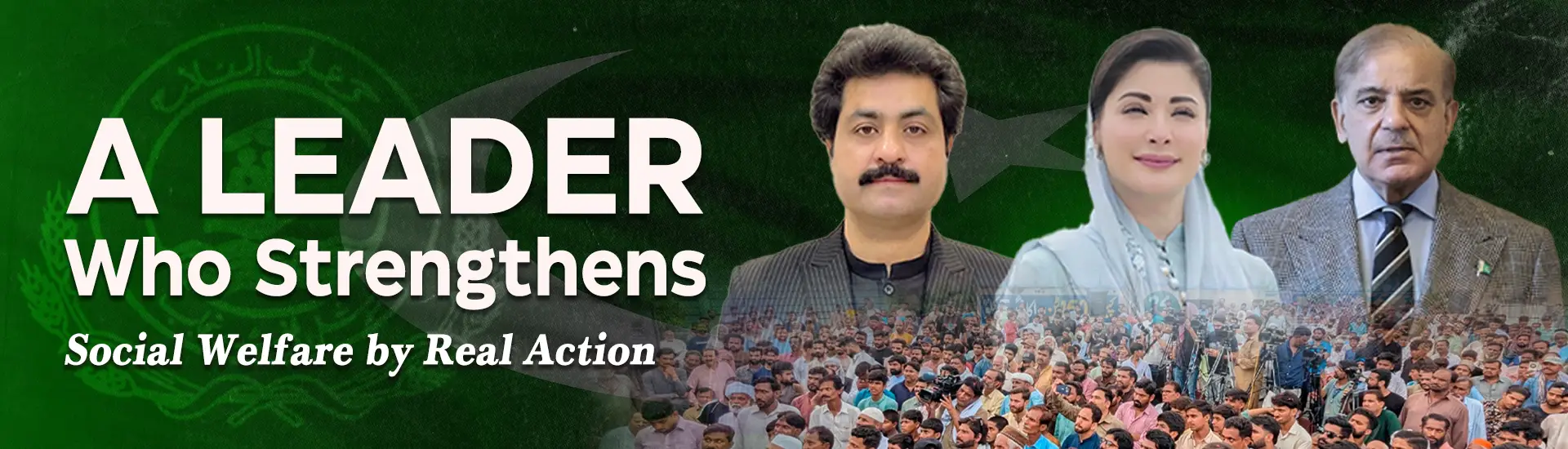
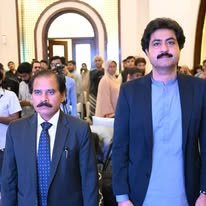
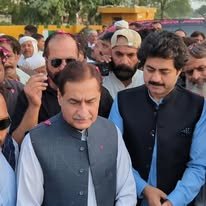
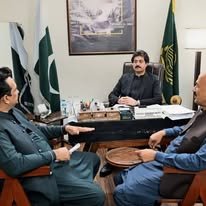
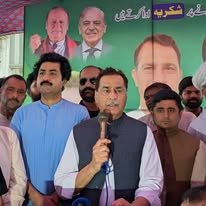
The social welfare sector is fixed in any society. It guides support. It offers relief. It brings hope where life is difficult. The social welfare department and Bait-ul-Maal have made new progress in recent years in order to help more individuals. The key factor to this development is the role of Sohail Shaukat Butt, the Minister of Social Welfare and Bait-ul-Maal. His emphasis on plain and straightforward service has been felt by countless families.
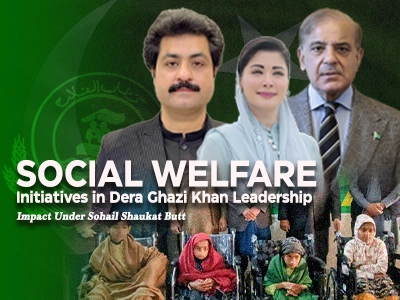
The welfare work that he undertakes is shown in this blog, including his wheelchair distribution program to the needy and children. It also shows how his leadership style has altered the speed of the public service.
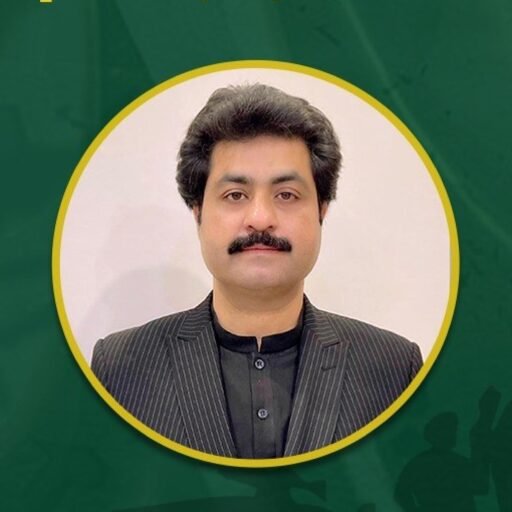
Sohail Shaukat Butt
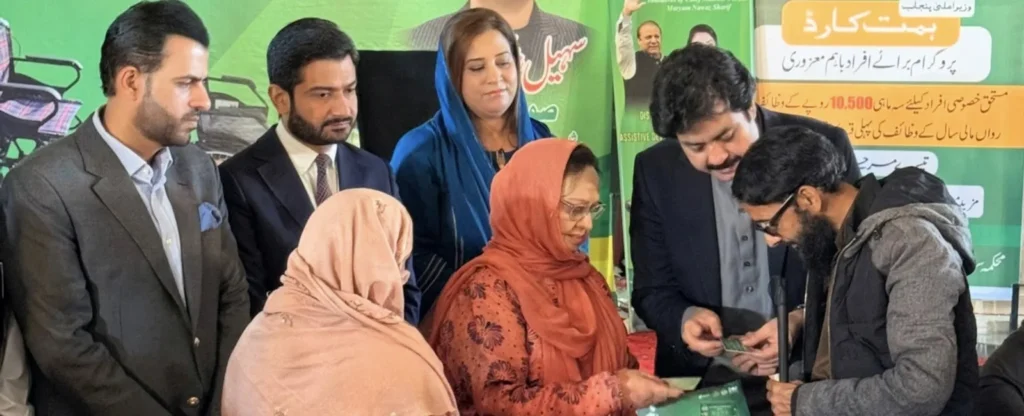
The idea of social welfare is not complicated. Human beings must never be alone in a fight. Even minor actions can transform a society when they are together. This is why leaders matter. Systems are better when they are taken care of.
Sohail Shaukat Butt is now a bright example of this course. His social services are growing annually. His programs have supported many families. Most significantly, he makes sure that the assistance is directed to those in need.
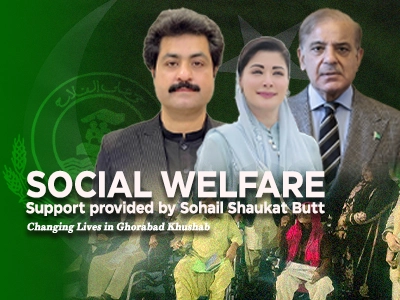
Recently, the act of supplying wheelchairs to the needy adults and children was a considerate one on his part. It was not only comfortable but also dignified.
The Bait-ul-Maal and the Role of the Social Welfare Department
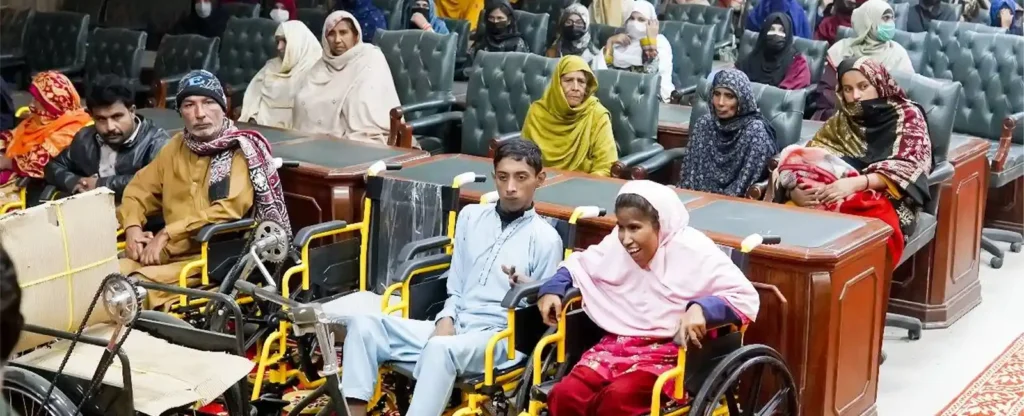
The Social Welfare Department has been established to help needy individuals. It mentors poverty-stricken families. It provides child, women, senior citizen and disabled programs.
The Bait-ul-Maal works in the same direction. It offers financial help. It supports medical needs. It carries out social safety initiatives. Where both institutions are functioning well, the entire community benefits.
These organizations have become more improved under the leadership of Sohail Shaukat Butt. Their initiatives have been stronger. Their job has become human-centred.
How Sohail Shaukat Butt Made the System Stronger
As it was requested, this heading would contain three subheadings:
Leadership based on Practice Steps
Most leaders preach about welfare. But few take steady action. Sohail Shaukat Butt is a man of action. He visits communities. He meets families. Without any hesitation, he listens. It is due to this fact that he is aware of actual problems. Thus, programs are enhanced.
His judgments are not complicated but powerful. He wants to eliminate problems to the well-being of the people.
Open and Equitable Programming Distribution
Welfare work should be transparent. It builds trust. It keeps systems clean. The minister will make sure there will be equitable lists in aid programs. Teams verify needs. Records stay open for review.
Through this, individuals are secure with such services. They are aware that the assistance will come their way without pressure or confusion.
Promoting the Culture of Service
Sohail Shaukat Butt urges teams to be caring servants. He leads employees to respect every case. This has led to an increased socialization. The atmosphere within welfare offices is more friendly.
Such a culture encourages social development in the long run.
Wheelchair Distribution Program: A Step towards Independence
Movement is not a luxury. It is a basic need. A lot of children and adults are unable to move without assistance. In the absence of a wheelchair, everyday chores are extremely slow.
Thus, the minister started a massive wheelchair give-out program. This initiative provided many families who could not afford movement tools with them. More to the point, it brought about independence again.
The key aspects of this initiative are as follows:
Identifying Genuine Need
Teams visited homes. They studied each case. They spoke to families. This saw that wheelchairs were in the right hands. It removed the risk of misuse.
Providing Wheelchairs with Dignity
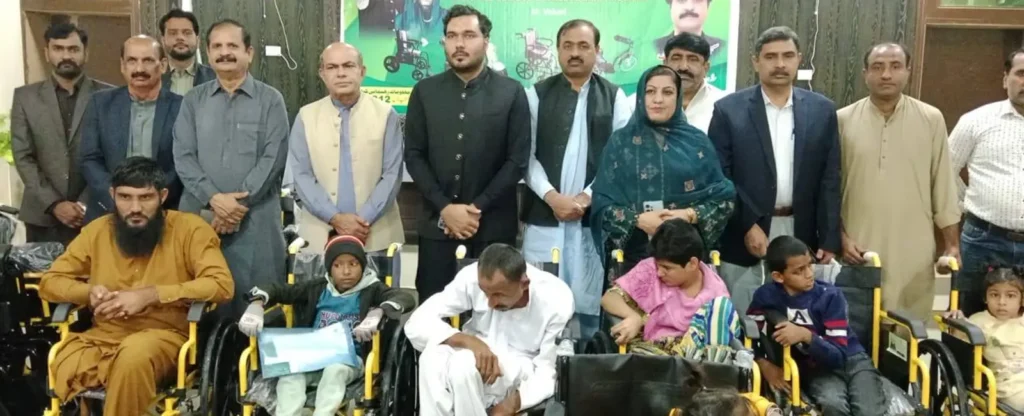
The handover incidents were not complex. But they were full of care. The minister met the children. He greeted elders. His inspections of the wheelchairs were to ensure comfort.
Creating Awareness on Mobility Support
There are a lot of families who are unaware of the role movement tools play. They were also educated through this program. They were taught how a wheelchair would assist them in school, employment, or moving around.
Effects on the Needy Families and the Disabled Children
The wheelchair program brought a lot of lives. It is emotional, with its effects being evident.
Below are key impacts:
1: Children can easily attend school.
Movement becomes smoother. Attendance improves. Confidence grows.
2: The disabled adults become free.
They can go to clinics, shops or even workplaces without having to wait to get assistance.
3: Family members are emotionally relieved.
Lifting and carrying a load are less stressful.
4: It gets easier to engage in social participation.
Citizens are made to feel part of community activities.
5: Hope replaces helplessness.
Even a plain chair turns out to be a way towards decency.
Such developments make more days brighter for a number of people.
Dedication to Social Welfare Service
There are also three subheadings contained in this heading:
Focus on Disability Care
Disability support is of priority for the minister. He still brings such devices as walkers, hearing aids, and wheelchairs. Due to this continuous struggle, a lot of lives are getting better in the districts.
Elaborating on Education Support
Another area that he values is education support. School fees, school uniforms, and school books are funded by Bait-ul-Maal and the welfare department. Such measures will help in making sure that no child is left behind as a result of their economic strain.
Poverty Relief Programs
Food support. Small grants. Emergency medical help. Every one of these programs is handled attentively. The objective is straightforward: lessen the strain on struggling families.
Neighbourliness and Social Goodwill
His welfare work has been received well in society. People like his honesty.
The following are some of the reasons that have increased trust:
- Programs are brought to actual families.
- Distribution stays fair
- No long delays
- Assistance is given in a dignified way.
- Teams act with kindness
Due to these aspects, the confidence of the social welfare department has increased. This confidence builds the relationship between the government and society.
And as the trust increases, programs grow.
The importance of Strong Leadership in Social Welfare
Good leadership determines the welfare of the population. Good programs still cannot be strong without it. With it, communities grow.
Leadership is important for the following reasons:
- It guides teams
- It sets a clear direction
- It builds public confidence
- It ensures transparency
- It pushes regular service.
Such a leadership is provided by Sohail Shaukat Butt. Concentrating on compassion and structure has been a important point in his work.
Welfare Services: Long-term vision
His social welfare vision does not have a short-term focus. Rather, he seeks permanent changes.
This includes:
- Increased accessibility to disability tools.
- Greater child support.
- More convenient services for widows and old people.
- Expanded community centres
- Better distribution systems that are more transparent.
The welfare sector can expand into a stronger support system as it works further.
What is so exceptional about the Welfare Work of Sohail Shaukat Butt
- He remains in touch with society.
- He does not engage in elaborate processes.
- He values fairness
- He does not look at numbers, but at real needs.
- He inspires teams by being a role model.
His welfare work is also different in the region due to these attributes.
Conclusion
It is a human responsibility to take care of social welfare. When leaders take this responsibility seriously, society will be safer and nicer. Sohail Shaukat Butt has demonstrated what good leadership is supposed to be. His service in welfare, particularly the wheelchair distribution program, has transformed the lives of many.
Children can move freely. Adults feel less dependent. Families feel supported. And communities feel valued.
Through more efforts, the social welfare department and Bait-ul-Maal can reach out to even more. The hope that is made presently will become even greater tomorrow.