
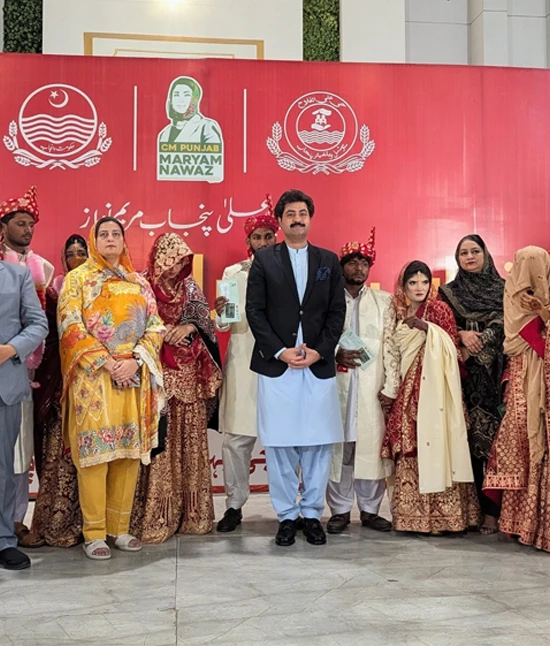

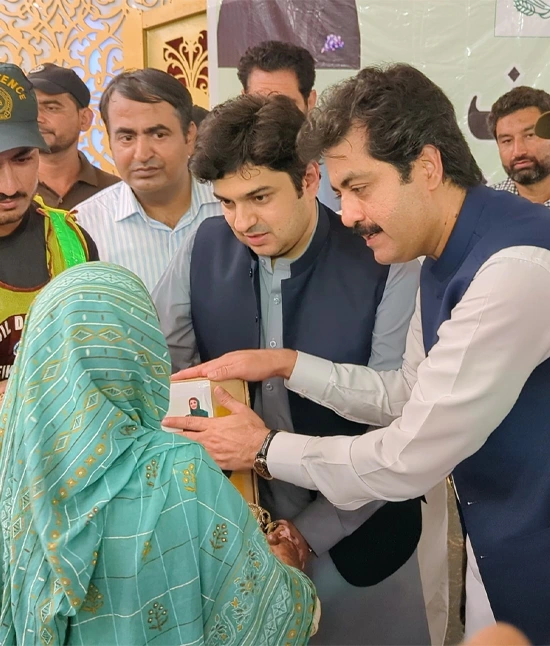
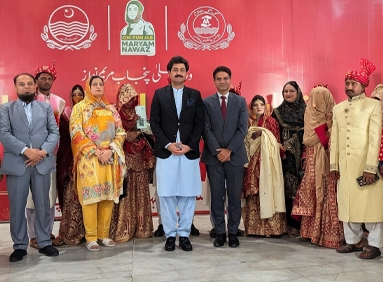
Dhee Rani Program

Dhee Rani Program

Dhee Rani Program

Empowering Daughters Across Punjab

The Dhee Rani Program is an initiative rooted in compassion, equality, and progress. Punjab’s commitment to women empowerment and support for families in need is evident in this program.

Led by Sohail Shaukat Butt, Minister of Punjab, Bait-ul-Maal, and Social Welfare, the program focuses on providing women with opportunities, support, and respect.

“Progress isn’t built in a day, it’s built by those who never stop believing in a better tomorrow.”

Mr. Sohail Shoukat Butt

Minister: Provincial Minister Social Welfare & Bait Ul Maal

Punjab Social Welfare Minister

Medical Health Care Centers

Ensuring daughters have access to medical care, hygiene, and emotional well-being through local social welfare complexes.

Economic
Stability

Providing financial support to families helps daughters continue their education and build a self-reliant future.

Prioritizing the Most Vulnerable

The program focuses on girls from low-income families, widows, orphans, and those at risk, ensuring no one is left behind.

Educational Environment

Encouraging parents to enrol girls in schools and supporting their studies promotes learning, growth, and equality.

Total Families Supported
0
Awareness Campaigns Conducted
0
Daughters Benefited
0
Coverage Areas Across Punjab
0
Punjab Social Welfare

Dhee Rani Program

A Program to Build Independent Women

The Dhee Rani Program Punjab reflects Punjab’s strong commitment to promoting dignity, equality, and opportunity for every daughter. Grounded in care and inclusivity, the program ensures that deserving families gain support, awareness, and long-term guidance. Through coordinated efforts, it strengthens social protection and builds pathways for young women to grow, learn, and lead with confidence.

Through targeted initiatives, the Dhee Rani Program Punjab has expanded opportunities for women across the province, offering skill-development training, vocational support, and access to essential social services. These efforts have enabled thousands of women to become financially independent, confident, and active contributors to their communities. By reinforcing safety nets and providing sustainable platforms for empowerment, the program continues to uplift families and shape a more inclusive future for the women of Punjab.

Know more about

Organizational Structure

01 January, 2016 - Lahore, Punjab
Program Rollout

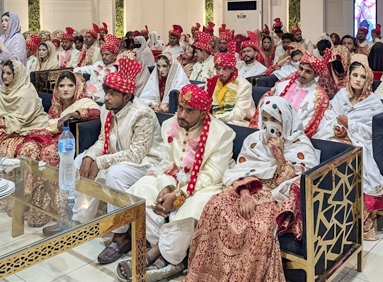
The Social Welfare Department of Punjab, in collaboration with Punjab Bait-ul-Maal, began outreach to families, ensuring registration and access to benefits. Dedicated field teams visited households to guide parents through the enrollment process. Help desks were established in union councils for smooth and fast verification. Special support units were introduced to prioritize widows and low-income families.
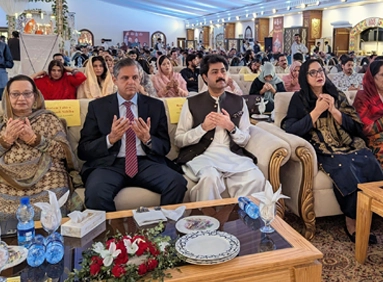
01 March, 2017 - Multan, Punjab
Awareness Campaigns

Local campaigns were conducted in schools, mosques, and community centers to educate families about the importance of supporting daughters. Interactive sessions and workshops encouraged parents to break traditional barriers. Posters, brochures, and radio messages were used for wider community engagement. Teachers and religious leaders joined the initiative to spread positive awareness.
01 August, 2018 - Faisalabad, Punjab
Expanding Coverage

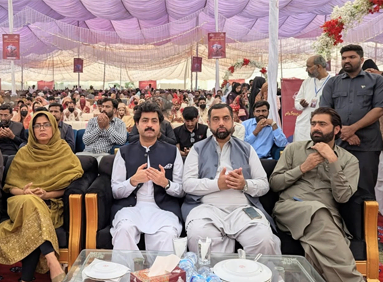
The program extended to more districts, reaching thousands of families and providing continuous support for education, health, and skill development. Monitoring teams ensured transparency and timely delivery of assistance. Additional centers were opened to increase accessibility for rural communities. Success stories were documented to showcase the impact and inspire wider adoption.
01 December, 2019 - Rawalpindi, Punjab
Strengthening Skill Development

To help daughters become financially independent, the program introduced specialized skill development and vocational training centers across Punjab. Courses in stitching, IT basics, handicrafts, and small-scale entrepreneurship were launched to equip young girls with practical skills. Partnerships were built with local industries to offer internships and job placements. This milestone marked a shift from support to empowerment, giving daughters the tools to build their own future with dignity and confidence.