Category: Uncategorized

  • Social Welfare Scholarships: Supporting Students Through Inclusive Financial Relief

    Social Welfare Scholarships: Supporting Students Through Inclusive Financial Relief

    Education is a strong tool in the development of a country. Nevertheless, a high number of students in Pakistan are unable to pursue their education because of financial constraints. Increased cost of education, low household earnings and inequality in society are obstacles that do not allow gifted students to maximise their potential. This is where Social Welfare Scholarships in Pakistan are necessary. Such programs offer all-time financial help, education, and equality to students with different backgrounds. With the aid of the government, students get all the necessary resources to go on with their education and create a better future.

    One minister who has made a significant contribution in the way access to education support programs are made is Sohail Shaukat Butt, who is the Minister of the Social Welfare Department. His work is aimed at equality, inclusion, and community building. He has also supported scholarship programs, which assist students irrespective of their religion, ethnicity and social status, alongside Bait ul Mal. These programs are meant to help minimize inequality in education and empower national development by empowering youth.

    In this blog, the author examines the effects of the Social Welfare Scholarships in Pakistan, the contributions by Sohail Shaukat Butt, and the contributions made by Bait ul Mal in the provision of financial relief to the students. It also points out the role of including welfare policies in making stronger communities in various cities.

    The Bait ul Mal in Student Financial Support
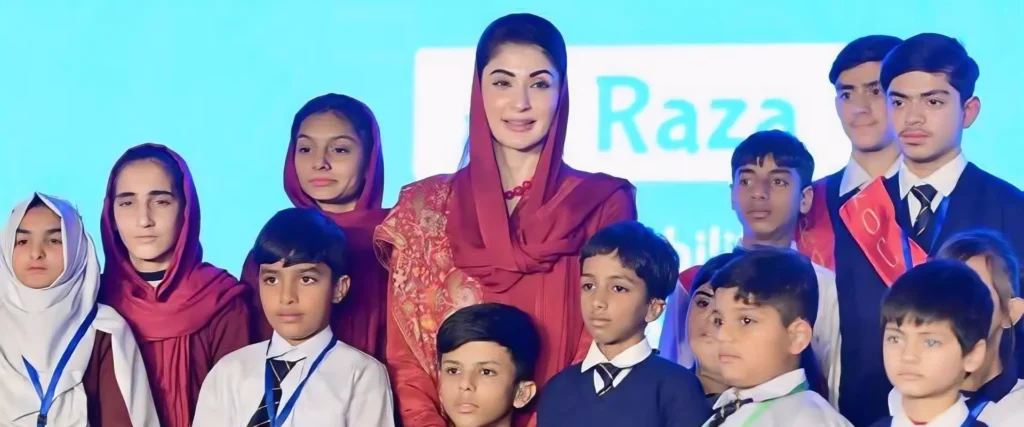
    Bait ul Mal is at the forefront in providing funding to the needy communities. It offers social welfare, education funding and economic relief to families in Pakistan. In these institutions, Bait ul Mal assists students to cover their tuition fee, acquire academic supplies and cover living costs through well-organised scholarship programs.

    Such scholarship programs are aimed at low-income households. The financial help is given based on merit, need and academic performance. This strategy gives poor students a chance to pursue their studies. Bait ul Mal also contributes to the programs of vocational training and skills development that enable the students to acquire the practical knowledge and employment preparation.

    Bait ul Mal is involved in additional social development besides financial aid. Its education support program assists in diminishing the level of dropouts, enhancing literacy and empowering the workforce. Bait ul Mal promotes national development and economic stability by investing in the education of students.

    Sohail Shaukat Butt and His Social Welfare Devotion

    Sohail Shaukat Butt has created his own niche within the social welfare arena as a serious leader. His works are aimed at dealing with poverty, educating the community, and benefiting the community. Although he is the Minister of the Social Welfare Department, he prioritizes the programs that empower poor families and establish possibilities for students in need. His leadership is based on impartiality, accountability, and social contribution in the long term.

    This has been among his priorities, ensuring that financial aid is provided to deserving students. He has assisted in increasing the coverage of scholarships in Pakistan by deepening his collaboration with Bait ul Mal and other institutions. These programs offer tuition aid, academic grants, and emergency financial aid. In such efforts, the number of students who will continue to stay in school and attain higher education will increase.

    The leadership of Sohail Shaukat Butt has a wider view of social inclusion. His policies aim at equality in access to education and monetary relief. This makes sure that no student is deprived because of his/her inability to pay or because of his/her religious affiliation. His contribution helps in creating a society where education is a right, and not a privilege.

    Scholarship Programs and Financial Relief Programs
    Merit-Based Scholarships

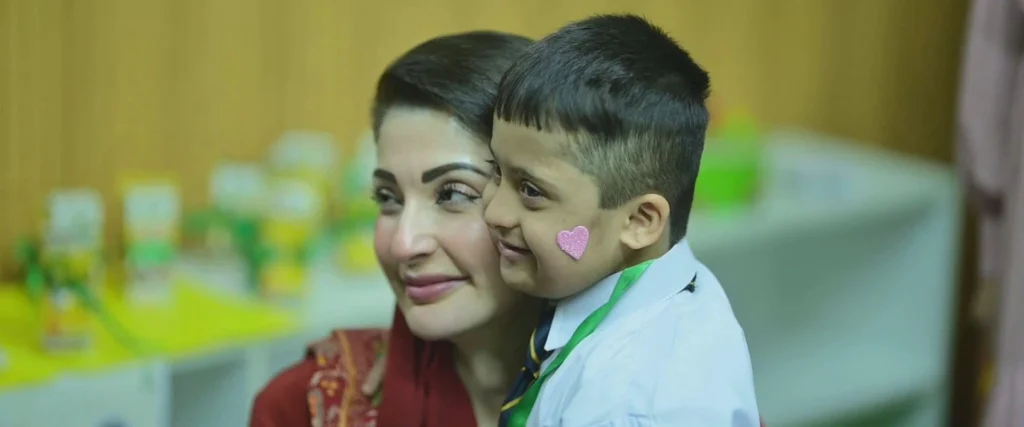
    Merit-based scholarship rewards academics and hard work. The programs reward students with excellent academic performance despite their financial difficulties. These scholarships will make students strive to achieve high educational standards by providing tuition support and academic grants. Financial scholarship also encourages students to pursue higher education and a career.

    Financial Assistance on a need basis

    Merit scholarships target needy students. Such programs offer financial assistance to families who are undergoing difficulties with education costs. The aid includes school supplies, tuition and living expenses. This assists students in staying in school without the worry of money. Having removed the economic obstacles, need-based aid ensures equality in education.

    Relief Programs of Emergency Education

    The emergency relief programs help students who have fallen into instant financial distress. Such programs help the families that are impacted by unemployment, medical problems, or unforeseen difficulties. Emergency programs prevent students from dropping out by providing temporary support in terms of finances. This insurance provides sustainability in learning during hard periods.

    Neutral and Inclusive Support Policies for Religion
    Equal Opportunity Scholarship Programs

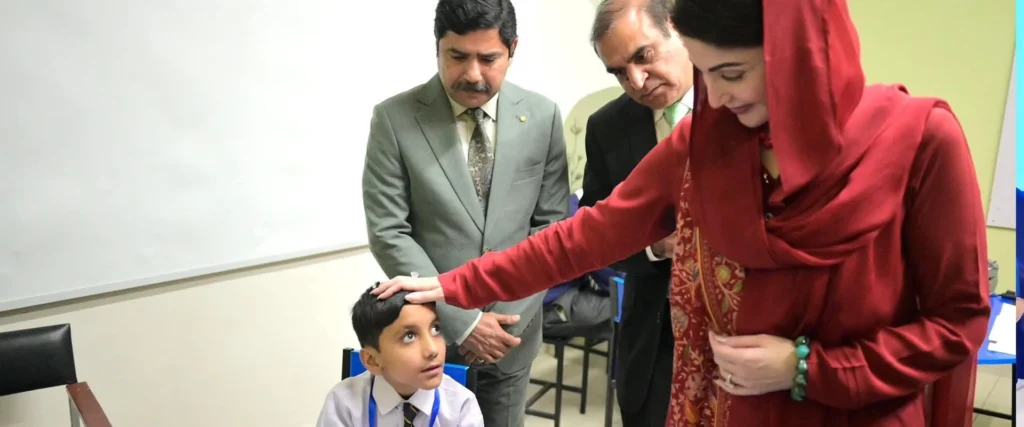
    Equal opportunity programs are used to make sure that scholarships are open to all scholars regardless of their religions and cultures. The programs revolve around fairness, transparency, and non-discrimination. The Social Welfare Department empowers harmony and social cohesion by ensuring that there is equal access within the community.

    Interreligious Inclusion in Educational Support

    The interfaith inclusion is crucial in encouraging cohesion in a nation. Sohail Shaukat Butt and Bait ul Mal support scholarship programs without religious discrimination. This non-discriminatory practice supports the fact that all citizens must be provided with education. Such initiatives allow different communities to understand one another as they help them.

    Government’s dedication to Equity

    Scholarship programs funded by the government focus on accountability and equity. Honest selection methods guarantee that the vulnerable students get financial aid. This fosters trust among the people, and more families are willing to receive education. Scholarships should be fairly distributed, and this enhances the integrity of social welfare organisations.

    Social Welfare Scholarship Effect in Various Cities

    The social welfare programs of Sohail Shaukat Butt have spread all through the various cities in Pakistan. His outreach initiatives are directed towards providing wider access to education, both in urban and rural regions. Through his partnership with the local governments, he also delivers financial aid to the isolated communities. This is done to minimize educational gaps in the region.

    Scholarship programs are used in metropolises to help students continue higher education and professional education. In the countryside, aids are used to enhance school attendance and literacy levels. Through social welfare programs, the local needs are met, thereby leading to the attainment of a balanced national development. There is also a strengthening of community involvement and raising awareness regarding education opportunities through these programs.

    Students are made aware of scholarships and other financial aid through specific campaigns and sensitization exercises. This outreach assists family members to know how to seek aid and be able to take advantage of education support programs. Consequently, the number of students receiving quality education increases despite their geographical location.

    Greater Social Impact of Education Scholarships

    Education grants form long-term advantages to people and society. These programs provide financial aid to students, which prevents the occurrence of dropout and enhances the number of students graduating. Learned youths are part of the economic growth, innovation, and social stability. The recipients of scholarships tend to be role models in their communities and encourage others to attend school.

    Family empowerment through financial assistance programs also alleviates the burden on the family finances. Parents will have the opportunity to spend on other essential aspects within the home if education costs are made affordable. This enhances the general living standards and increases the stability of the family. With time, social welfare programs that are centred on education help to break the poverty cycle.

    Scholarship schemes assist in the development of the workforce as well. Through these initiatives, skilled professionals are equipped to work in different industries because they enable students to get higher education and vocational training. This boosts the productivity of a country and increases the competitiveness of Pakistan in the world economy.

    Social Welfare Scholarships in the Future of Pakistan

    The Social Welfare Scholarships in Pakistan are an investment in human capital. The programs assist in developing the future leaders, professionals, and innovators. Through education, the government empowers sustainable development. Scholarships provide the youth with career-building opportunities to make a positive impact on society.

    The higher the levels of education, the stronger and less unstable the communities become. Financial relief programs also fill the gaps in society and lead to upward mobility. In the long run, an educated citizen is critical towards the formation of democratic values, economic development and cultural development.

    Gender equality is also promoted through scholarships, where females are encouraged to get an education. Communities that have girls being financially supported to attend school enjoy better health, income and social results. This strengthens the need to have inclusive education policies.

    Openness, Honesty, and Leadership Accountability

    Scholarship programs must have good governance and accountability. The leadership of Sohail Shaukat Butt focuses on responsibility in monetary distributions. Well-defined guidelines and monitoring systems can ensure that the money is received by deserving students. This generates confidence in the social welfare institutions.

    Constant review of education programs is also a part of responsible leadership. The Social Welfare Department enhances the performance of the programs by examining the results and modifying the policies. Student and Community Feedback: This is important in improving scholarship initiatives and meeting new demands.

    Openness in funding promotes wider involvement. As long as families have faith in the system, they will seek help. This is an expansion of the scope of scholarship programs and makes them more powerful.

    Financial Assistance Programs to Students and Families

    Students who are entitled to financial aid have academic and emotional relief. The lessened financial pressure will help them concentrate on their studies and self-development. The recipients of scholarships tend to perform better in school and become more motivated. They get a chance to pursue professional and higher education with the aspect of stable support.

    There are also lower education costs to the families. The financial relief assists parents in covering the bills within the household and budgeting for long-term stability. The families obtain some hope of a better future when their children have scholarships. This helps in strengthening the bond of the family and promoting the development of the community.

    Social mobility is also encouraged by education support programs. Students with low-income backgrounds are able to access good education and career opportunities. In the long run, this aids in decreasing income inequality and forming a more equal society.

    Contributions of Sohail Shaukat Butt to Social Development

    Other than education, Sohail Shaukat Butt has helped in multiple social welfare programs. His portfolio consists of poverty eradication programs, community health programs, and economic empowerment programs. He enhances the resiliency of the community in general by working on various social issues.

    His efforts have focused on cooperation with government agencies, non-profit organizations, and local communities. The collaborative strategy makes welfare programs efficient and sustainable. He helps the country to develop and stabilize the situation by concentrating on a long-term solution.

    His inclusiveness policy demonstrates a sense of harmony and equality. He helps all citizens regardless of their background, thus encouraging national peace and mutual prosperity.

    The Secret of Inclusion Policies in Enriching Society

    Inclusive scholarship programs contribute to the establishment of a more unified society. Social welfare programs enhance the principle of equality because they help students irrespective of their racial ties. Education emerges as a form of togetherness instead of being a divisive factor. This builds the social relationship and ensures peaceful coexistence.

    The policy of interfaith support also shows the effort by Pakistan to be diverse and respectful to each other. Equal opportunities among students from various backgrounds promote understanding and collaboration. In the long run, this leads to an inclusive and more tolerant national culture.

    The policies of inclusive education also favour the marginalized communities. Through increased access to scholarships, the underrepresented groups have a chance of enhancing their socioeconomic status. This assists in ensuring that inequality is minimized and social justice exists.

    Opportunities and Problems in the Scholarship Programs

    Although there has been great improvement in scholarship programs, there are still challenges. Few finances, escalating cost of education and growing demand necessitate constant enhancement. The need to expand financial support programs needs to be planned and allocated sustainably.

    There are opportunities to enhance collaboration with the private organizations and educational institutions, as well as international donors. Scholarship programs can be expanded to serve a large number of students through the diversity of funding. Technology also has the potential to enhance application processes, monitoring systems and transparency.

    Through problem prevention, social welfare institutions can be more effective in programs. This will be achieved through constant innovation and cooperation to broaden the scope of Social Welfare Scholarships in Pakistan.

    Conclusion

    In Pakistan, Social Welfare Scholarships have a significant role to play in supporting students and building up national development. With the guidance of Sohail Shaukat Butt and the initiative of Bait ul Mal, thousands of students are given relief in the form of money and education. The programs are inclusive of support, and they are not discriminatory against anyone, and thus there is equal access to education among all citizens.

    With increased scholarship programs, enhanced transparency and enhanced community outreach, Pakistan has invested in its future. Policies that focus on social welfare through education can eliminate poverty, enhance literacy and empower young people. The contributions of Sohail Shaukat Butt are based on the desire to be fair, socially progressive, and to develop in the long term.

    With persistence and participatory leadership, scholarship programs will keep on increasing the student elevation and strengthening the families as well as creating a more equal society.
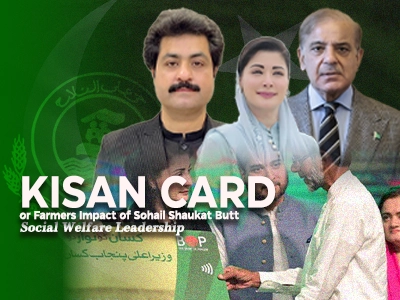
  • Kisan Card for Farmers: Impact of Sohail Shaukat Butt Social Welfare Leadership

    Kisan Card for Farmers: Impact of Sohail Shaukat Butt Social Welfare Leadership

    The rural livelihoods and the national food security are still dependent on agriculture. Timely access to resources, fair access to finances, and predictable government assistance are essential to farmers to remain productive. Social welfare and agricultural assistance programs have become more important over the past years as costs have increased and economic pressures have been on the rise. 

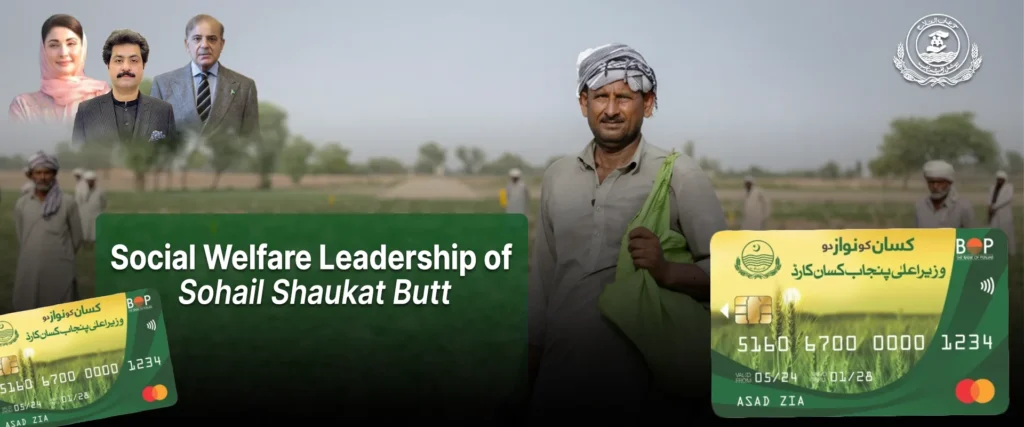
    One of these efforts, which can be discussed as a significant move towards empowering agricultural communities, is the distribution of the Kisan Card to farmers. The initiative has been broadened in its effects under Sohail Shaukat Butt, the Minister of the Social Welfare Department, with systematic arrangements, clear implementation, and community-oriented outcomes.

    Sohail Shaukat Butt has been visible in the enhanced social welfare systems in several geographical locations. His strategy is focused on direct support, empowering the farmers and sustainable development. His activities aid vulnerable groups, enhance the stability of rural areas and the access to necessities through collaborations with Bait ul Mal and other government agencies. This wider purpose of enhancing livelihood and strengthening trust between the institutions and citizens is reflected in the Kisan Card distribution to farmers.

    Social Welfare Leadership of Sohail Shaukat Butt

    Sohail Shaukat Butt is the Minister of the Social Welfare Department that aims at people-centred governance. His leadership approach is responsible, responsive and problem-centred. His policies focus on welfare planning on the long term as opposed to short-term solutions. These policies are meant to take care of the farmers, low-income families, communities of labour, and people of the rural areas in a balanced way.

    His programs aim at raising the living standards by providing direct aid programmes, provision of skills development, financial relief and increase of infrastructure. His leadership empowers social protection systems by taking care of current needs and the stability of the future. Moreover, his engagement in various cities shows his focus on learning about the regional issues and responding to them in a more specific way.

    Sohail Shaukat Butt has increased the scope of social welfare programs through regular fieldwork, monitoring of the project and working with local governments. These works demonstrate a bigger picture of inclusive development in which economic development is combined with social responsibility.

    Part in Farmer and Community Support Role of Baitulmal

    Bait ul Mal is a key institution in providing both financial and social services to the needy population. It has the mandate of assisting the low-income families, providing medical aid, educational programs, and emergency relief. Within the agricultural sector, Bait ul Mal has been playing a vital role in making sure that farmers are given specific aid at tough economic times.

    Bait ul Mal, through its coordination with the Social Welfare Department, is involved in the agricultural relief programs which assist farmers to handle the cost of production. Such initiatives are financial assistance, subsidies, and assistance in agriculture. The incorporation of Bait ul Mal in programs of assisting farmers makes sure that the recipients of the assistance received are deserving and that the assistance has accountability and fairness.

    These programs enhance a systematic safety net among the vulnerable populations by ensuring stronger collaboration between government departments and welfare institutions. This is a more effective method of coordination in agricultural aid, and it enhances the confidence of the masses in welfare.

    Kisan Card Distribution to Farmers and its objective

    Farmers have been offered a Kisan Card distribution to give them organized financial and agricultural assistance. The program enables farmers to receive subsidies, farm inputs and financial aid in a simplified manner. The Kisan Card is aimed at guaranteeing that people do not rely on informal lenders and providing fair access to necessary resources.

    In this program, farmers are able to access seeds, fertilizers, irrigation support and other farming inputs at subsidized prices. This saves on the cost of operation and enhances productivity. Also, the card aids farmers with cost management at the time of major planting and harvesting. The program enhances the economic stability in rural communities through simplifications in access to resources.

    There is more to the financial relief; the Kisan Card program also encourages transparency in the allocation of resources. The support is given to farmers on the basis of the attested eligibility requirements; this enhances equity and limits abuse. This formal system increases the level of trust between the farmers and the institutions of the people, as well as accountability.

    The effects of Kisan Card Distribution are as follows

    Access to Financial Support and Subsidies

    Kisan Card directly benefits the farmers by granting them access to subsidies and regulated credit possibilities. Such funding will ease the experiences of increased agricultural expenses. The farmers will not need to take expensive loans with interest or unreliable sources of funds to buy the necessary supplies. Consequently, they have more control over budgeting and crop planning.

    In addition, financial support enables farmers to escape the delay in planting. This enhances the potential of yielding and provides enhanced market timing. In the long run, this financial stability promotes the economy of the rural area and sustainable agriculture.

    Farming and Agricultural Resources Support

    Access to quality farm inputs is necessary for productive farming. By means of the Kisan Card that is given to farmers, the beneficiaries are provided with better access to roots, seeds and farming machinery. The resources contribute to improving the quality of crops, efficiency and wastage.

    Also, access to irrigation instruments and soil improvement materials is enhanced, which will promote sustainable land management. The farmers enjoy an improved practice in farming, which leads to the sustainability of the environment in the long run. Such a combination of the presence of resources and technical assistance promotes more resilient agricultural systems.

    Long-term Rural Communities Benefits

    The Kisan Card program is not just beneficial to individual farmers. The economic gains in the rural areas are more wide-ranging since agricultural productivity improves. Increased crop production generates job opportunities, boosts local marketplaces and enhances household incomes.

    With time, these upsides facilitate rural development and alleviate the pressure of urban migration. The program helps to bring a balance to the economic growth and community resilience by stabilizing farming livelihoods.

    Contributions of Sohail Shaukat Butt in More than One City

    Social Welfare Projects in Various Areas

    Sohail Shaukat Butt has spread social welfare programs in different cities with special emphasis on uplifting the community. The projects deal with the reduction of poverty, education aid, access to health and emergency relief. Every program represents the knowledge of the local requirements and economic state of affairs.

    His leadership style of decentralizing welfare services makes sure that the assistance gives access to the city and rural citizens. This is a regional outreach that enhances the local infrastructure and fair development.

    In Aid of Farmers, Laborers and Low-income Families

    In addition to the agricultural activities, Sohail Shaukat Butt has programs on labour welfare, income support programs, and family assistance schemes. These initiatives include relief, job training, and job placement among the poor groups.

    Empowerment programs for women, youth, and small business owners also empower economic participation. His policies encourage inclusive development as they help to support various sectors of society, as well as minimize income inequalities.

    Building On a Strong Public Trust by Enhancing Open Governance

    Another major pillar of the Sohail Shaukat Butt governance is transparency. Welfare programs have accountability mechanisms that ensure that they are distributed fairly. Program credibility is achieved through benefit verification procedures, public reporting and monitoring systems.

    This transparency commitment will create trust among the people and will bring about more involvement with the community. The belief in the social welfare institutions keeps increasing as citizens witness material gains.

    Agricultural Relief Programs and Economic Stability

    Relief programs in agriculture are crucial in ensuring food security and economic stability in rural regions. The financial pressure on farmers has risen due to environmental issues like the rising cost of production and climate challenges. Structured assistance programs here give long-needed help that stabilizes income and keeps productivity.

    A strategy to counter these hurdles is the Kisan Card being given to the farmers. The program enhances the ability of farmers to deal with risks by minimizing the cost burden and increasing their access to resources. This strength helps to stabilize food supply in the country and contributes to the overall development of the economy.

    Also, better agricultural productivity is a plus to industries like transportation, food processing and retail. These spill-over effects boost economic activity in the various sectors.

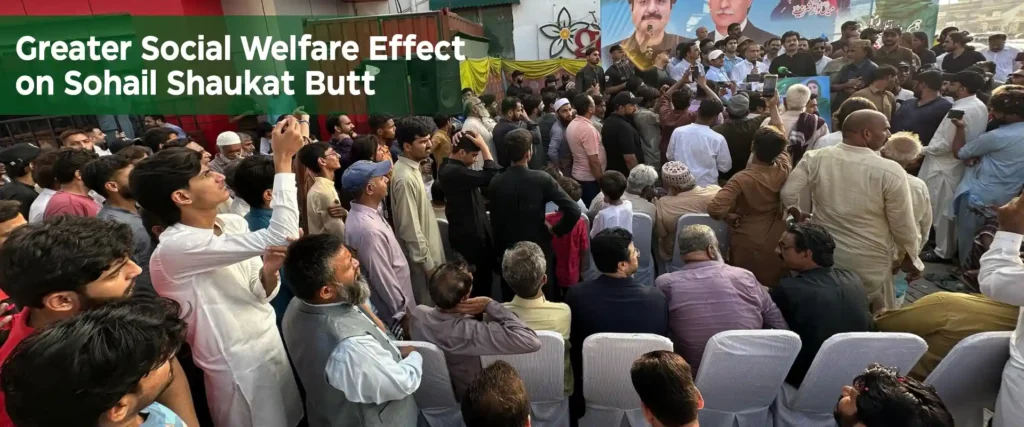
    Greater Social Welfare Effect on Sohail Shaukat Butt

    The leadership of Sohail Shaukat Butt stretches to agricultural projects. His department has introduced programs that focus on education aid, healthcare aid, disability aid, and the reduction of poverty. These efforts enhance the living standards of the disadvantaged groups and enhance social integration.

    Vocational training programs and education scholarships enable the youngsters with skills that make them employable. With the help of healthcare assistance programs, medical care is offered at reduced costs to the family, making medical help more affordable than in the case of low-income families. Disability support schemes enhance social inclusion and accessibility for persons with special needs.

    The programs play a role in ensuring that the community develops holistically as they handle various aspects of social welfare. This is a combined strategy that promotes the stability of society and improves the quality of life in general.

    Correspondence to Vision and Community Involvement

    The actions of Sohail Shaukat Butt are associated with a powerful desire to serve the people, being a responsible leader, and being involved in the community. His work is focused on being responsive to the needs of the citizens, constant review of the program, and open communication.

    Outreach campaigns, awareness programs and stakeholder consultations among the populace are what make welfare programs more in touch with the community priorities. This participatory practice will improve the effectiveness of the policy and promote mutual problem-solving.

    Besides, the active communication with local leaders, farmers, and representatives of the community will enable us to discover emerging problems and optimize the solutions accordingly. This is an adaptive model of governance that enhances the sustainability of welfare programs.

    Farmer Welfare: Sustainable Policies

    Farmer welfare relies on the policy planning of the long-term economic, environmental, and social considerations. Kisan Card distribution among farmers is a viable policy model since it combines financial relief and agricultural development.

    The program helps in sustainable agriculture by advancing the efficient utilization of resources, encouraging sustainable farming methods, and assisting in the adoption of technology. Farmers are benefited with tools and knowledge that enhance productivity and conservation of natural resources.

    Also, there are policy instruments to access the market, stability of prices and efficiency of the supply chain that increase the incomes of farmers even more. All these activities make up a favourable agricultural environment.

    Neighbourhood Level Performance and Social Development

    Better farmer welfare at the community level results in more extensive social development. Families are able to invest in housing, healthcare and education due to the increased household incomes. This enhances living conditions and upward social mobility.

    A robust rural economy brings down poverty rates and increases the resilience of the community to economic recessions. With the increase in agricultural output, there is an augmented demand in local businesses due to the rise in demand for goods and services.

    The positive consequences in the long run lead to an fair regional growth and national prosperity.

    Adversities and Constant Development

    However, as much as the Kisan Card program has provided substantial outcomes, it is necessary to keep on improving. The need to distribute resources in time, increase the coverage of the programs, and make them more accessible online is a continuous priority.

    Farmer and local stakeholder feedback will be used to pinpoint areas that can be improved. The involvement of the community enables policymakers to enhance the effectiveness of programs and tackle the arising challenges.

    The leadership of Sohail Shaukat Butt attributes importance to flexibility and lifelong learning. This commitment helps in the transformation of welfare programs in the changing economic and social circumstances.

    Leadership in Social Welfare and Agriculture

    Good leadership is very decisive to the success of social welfare and agricultural programs. Leaders who put transparency, accountability, and citizen participation in their priorities build stronger public institutions.

    The works of Sohail Shaukat Butt are an illustration of how committed leadership can make a significant change. The way he tried to develop welfare programs, help farmers, and build resilience in the communities demonstrates the significance of responsible governance.

    His leadership brings about sustainable development and social progress by ensuring that policy objectives meet the community’s needs.

    Conclusion

    The Kisan Card among farmers is a major move towards supporting the livelihoods of farmers and the stability of rural communities. The initiative boosts the welfare and productivity of farmers through mechanisms of structured financial assistance, enhanced access to resources and transparent governance.

    Social welfare programs are on the rise and spreading under the leadership of Sohail Shaukat Butt. His dedication to the service of the people, holistic development, and responsible governance are some of the factors that led to desirable results in various sectors.

    With the changing agricultural issues, it is necessary to invest more in programs that support farmers. These initiatives can ensure economic growth and well-being in the long run by bettering collaboration among government departments, welfare institutions, and other communities through the augmentation of local populations.

  • Electric Wheelchairs Distribution in Faisalabad: Led by Sohail Shaukat Butt

    Electric Wheelchairs Distribution in Faisalabad: Led by Sohail Shaukat Butt

    Social welfare is essential to the development of a just, supportive society. When governments aim to assist the vulnerable groups, communities become stronger. This is more so the case with the disabled and needy groups of individuals. 
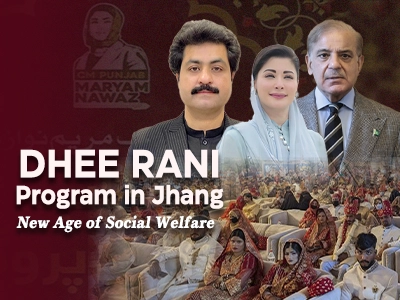
    Reduced mobility may limit independence, education, employment and social activity. It is due to this that the programs that aid the disabled are necessary for inclusive development. The provision of electric wheelchairs in Faisalabad is a significant move in empowering the people who require the aid of mobility. This project emphasises the role of caring leadership and viable welfare schemes.

    The Minister of the Social Welfare Department, Sohail Shaukat Butt, remains in charge of viable social welfare campaigns all over Punjab. His work is aimed at enhancing the living standards of poor societies. He has backed several social welfare programs that cover disability support, poverty relief and the development of societies. 

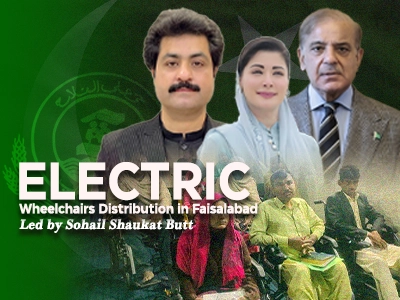
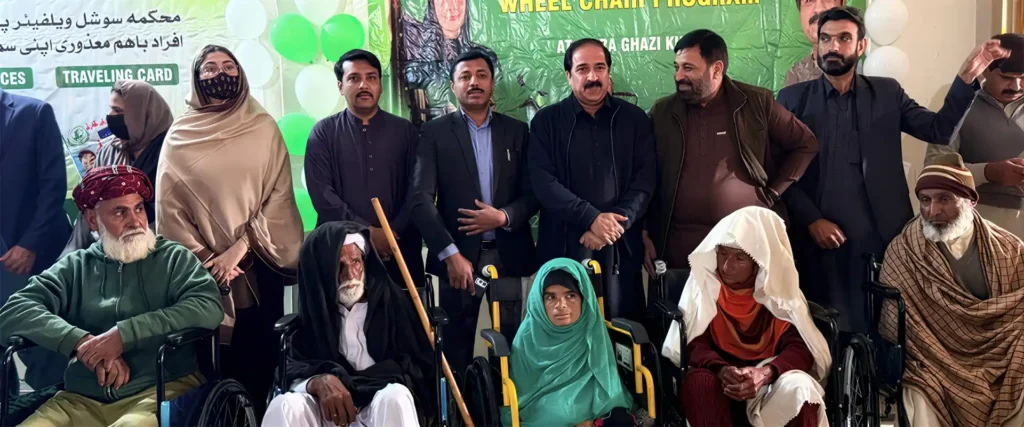
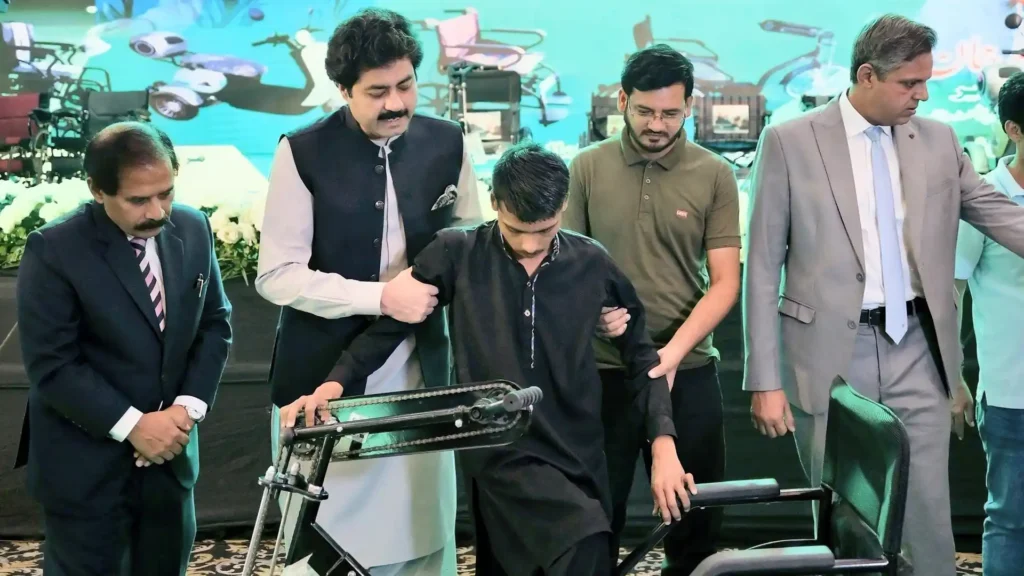
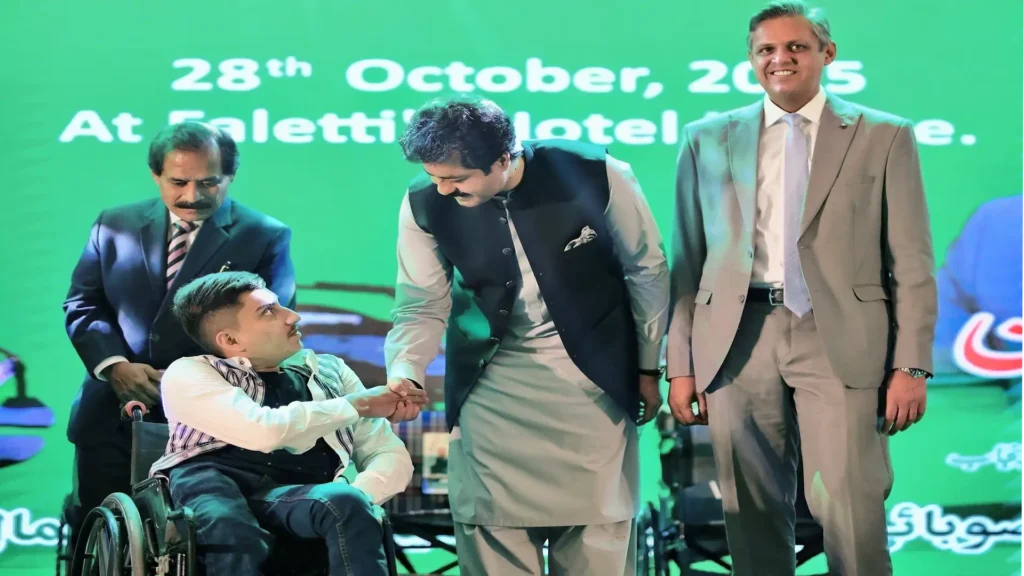
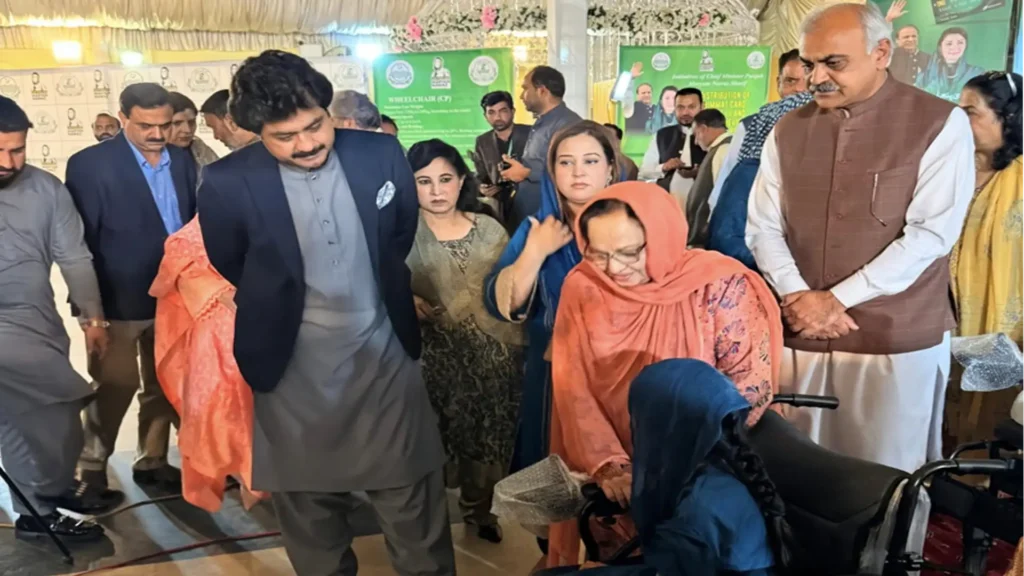
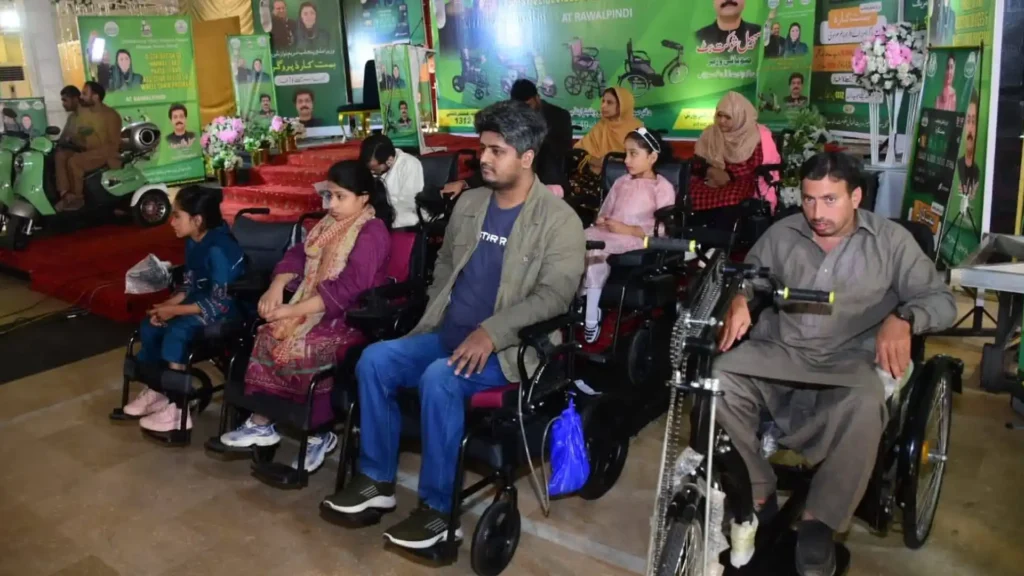
    His adherence to significant social progress is evidenced by the recent delivery of electric wheelchairs to 23 needy and disabled people in Faisalabad. The given project, conducted in partnership with Bait-ul-Mal, was a significant step towards disability assistance program in Pakistan.

    The distribution in Faisalabad is the keyword that will be used in this blog. This is one of the keywords that provide the major idea of the initiative, as well as the keywords that are related, like social welfare initiatives in Pakistan, disabled support programs, Sohail Shaukat Butt social welfare, mobility assistance to disabled persons, Faisalabad welfare projects, and inclusive development initiatives.

    The Role of Sohail Shaukat Butt in Enhancing Social Welfare

    Sohail Shaukat Butt has proven himself to be a committed public servant who has concern about welfare programs. His leadership is characterized by accessibility, equity and support to vulnerable communities. His systematic planning and implementation have seen him increase the social welfare programs in various cities. He shows that he understands the needs of the community and is determined to come up with sustainable solutions in his work.

    He sees more than short-term reprieve. Rather, he concentrates on empowerment in the long term by way of education, healthcare support, disability assistance programs and livelihood programs. These programs are meant to enhance self-sufficiency and social inclusion. His leadership can be regarded as a balanced style which incorporates policy formulation and action on the ground.

    In various locations, he has established programs that assist the disabled, families with low incomes, and marginalised groups. Such programs involve assistive programs, medical care, educational programs and rehabilitative programs. This is done by enhancing the partnerships with agencies like Bait-ul-Mal to make sure that the resources are given to people who require them the most.

    His work also enhances transparency and accountability in the distribution of welfare. Programs can be run with ease by having clear communication and implementation. This fosters trust between the citizens and makes welfare programs deliver real benefits.

    Faisalabad, Electric Wheelchairs Distribution

    The presence of electric wheelchairs in Faisalabad will be a milestone in the support of disability. Sohail Shaukat Butt, with the help of Bait Ul Ma,l distributed electric wheelchairs to 23 needy individuals and disabled persons in this initiative. These are wheelchairs that provide enhanced mobility, independence, and dignity to the recipients.

    Physical limitations make many disabled people find it hard to move around daily. The conventional wheelchairs are usually assistive, and thus not so independent. Electric wheelchairs, on the other hand, enable their users to move freely without much effort. This enhances comfort on a daily basis and increases socializing opportunities, education, and employment.

    The applicants were chosen by considering those who had low financial means and extreme mobility difficulty. This made sure that the help was provided to those in the most need. The ritual of distribution focused on respect, sympathy, and solidarity in the community. The families of recipients stated that they were grateful, which emphasized the emotional and practical effect of the initiative.

    The significance of the targeted welfare programs is reflected in this project. It does not provide any generic support, but it deals with a particular obstacle of disabled people. Mobility assistance is what the program provides to give the recipients confidence and self-reliance.

    Effect of Mobility Assistance on the disabled

    Enhancing Vitality and Activities of Daily Living

    Electric wheelchairs enable the disabled to have better control over their life. Users will be able to move without being assisted all the time. This self-sufficiency boosts confidence and self-esteem. It also works to minimize physical stress to the caregivers and relatives.

    Improving Dignity and Social Inclusion.

    Mobility aid facilitates dignity as individuals are enabled to be more engaged in social activities. The disabled are capable of participating in events, visiting the commonplace areas, and interacting with their communities. This would encourage belongingness and lessen isolation.

    Supporting Long-Term Community and Family Benefits

    In the case where the disabled can become independent, families are no longer pressured to take care of their loved ones. This enables them to concentrate on work, education, and other responsibilities of the caregivers. The communities themselves gain as well when the disabled persons are more actively integrated into both social and economic life.

    Expansive Social Welfare Donations by Sohail Shaukat Butt

    Welfare Programs in several cities

    Sohail Shaukat Butt has expanded the welfare programs in the area outside Faisalabad. His shows cover several cities, hence there is a balanced distribution of support regionally. Such endeavours encompass disability aid, money and medical care.

    The Projects to be developed in the underprivileged communities

    His leadership favours development initiatives that would enhance the lives of people. These initiatives are concerned with housing, access to healthcare and education. His emphasis on the long term development encourages sustainable growth.

    Increasing Social Support and Rehabilitation Services

    Rehabilitation services are very important in the support of disability. Programs that offer therapy, vocational training and counselling have been supported by Sohail Shaukat Butt. The services assist disabled people in restoring their skills and seeking meaningful opportunities.

    Bait-ul-Mal and the Government role in Disability Support

    The partnership of the government departments with Bait-ul-Mal enhances welfare delivery. Bait-ul-Mal extends financial aid and logistical assistance to social welfare projects. Through this partnership, there is sustainability and coordination of the initiatives.

    The government intervention facilitates policy conformity and responsibility. Project planning, beneficiary selection, and effects are directed by organized structures. This systematic way of doing things enhances the efficiency of welfare programs.

    Combined, these institutions make up a stable program of assisting disabled people. They combine resources and experience to enable the widest possible access to and effect of programs of assistance. This model illustrates the importance of the collaboration of the government with the business in the field of social welfare.

    Enhancing Public Confidence by Good Welfare Leadership

    Good welfare leadership creates a relationship between the citizens and the government. Communities gain confidence in the institutions of the state when they perceive tangible gains from social programs. The initiatives undertaken by Sohail Shaukat Butt show that he is interested in meeting actual needs.

    Open implementation is one way of making sure that aid is delivered to target beneficiaries. Open communication enables citizens to know the program goals and outcomes. This will help eliminate any form of skepticism and promote community involvement.

    Social responsibility is also wider when the leadership is determined by fairness and empathy. The citizens will be more conscious of the need to support vulnerable populations. This creates a culture of empathy and co-operation.

    Trends in the Long-Run Significance of Inclusive Welfare Policies

    The inclusive welfare policies will allow the disabled to not be left behind in the development endeavours. Governments facilitate the equality of participation in society by offering mobility provision, access to healthcare and educational opportunities.

    These are also some of the policies that lead to economic growth. Once disabled people become self-reliant, they can find jobs or become businesspeople. This raises the income level in the household and decreases welfare dependence.

    Additionally, policies that are inclusive enhance harmony in society. The communities that help their weak members become stronger socially. This makes society harder and more understanding.
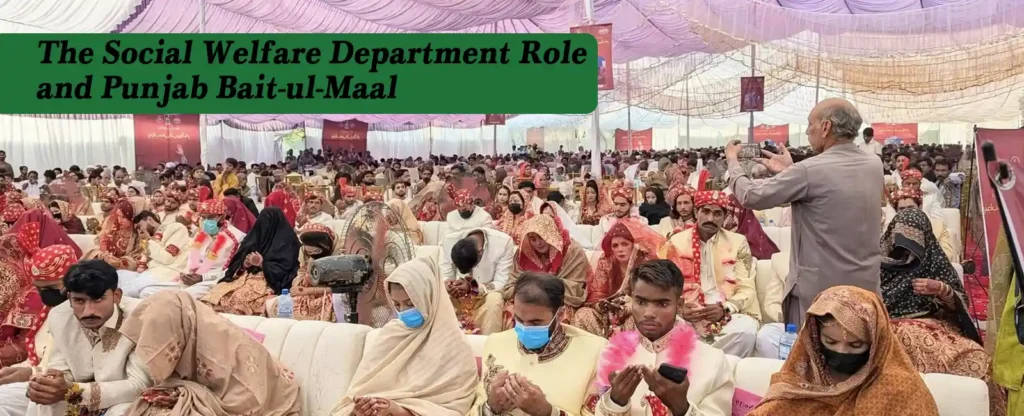
    Performance of Electric Wheelchairs Distribution on Social Impact

    The distribution of electric wheelchairs in Faisalabad has both long-term and short-term effects. Short-term benefits are an increase in mobility and independence of recipients. This improves comfort in day-to-day living and minimizes physical restrictions.

    Better mobility in the long term promotes education and jobs. The disabled people are in a position to attend schools, trainings or even workplaces with ease. This is added to individual development and economic involvement.

    Another effect of the initiative is the awareness of the rights and accessibility of disability. The significance of taking care of disabled persons is emphasized at public events. This promotes the participation and advocacy of the community.

    The Community Response and Beneficiary Experiences

    There has been a good reaction to the initiative in the community. There are families of recipients who have shown their gratitude towards the support that has been extended. Most of them referred to the electric wheelchairs as life-changing products that restore dignity and independence.

    There were stories of rejuvenated hope and inspiration from the beneficiaries. Others had intentions to attend school or get a job. Other people indicated that they could socialize better and engage in family activities.

    The emotional and practical value of the program is depicted in these personal experiences. They also affirm the need to carry on with such initiatives in other areas.

    Prospects of Disability Support Programs

    The outcome of this project creates a precedent for the next disability assistance projects. The distribution of electric wheelchairs to other cities should be expanded as it will help more people. Increasing the programs of this kind needs further governmental involvement and investment of resources.

    More assistive devices like hearing aids, adaptive technology, and prosthetics could also be used in the future. This equipment can also enhance the living standards of the disabled.

    The application of disability support in conjunction with education and employment intervention may have a stronger effect in the long term. Vocational training and mobility support can make beneficiaries economically independent.

    Social Welfare Leadership of Sohail Shaukat Butt

    The leadership of Sohail Shaukat Butt shows a greater perspective of social advancement. His programmes are directed to the establishment of integration societies in which the needy are assisted in worthy ways. He also provides a positive contribution to the overall social development by ensuring that the needs of the disabled, poor, and the healthcare are met.

    His work in various cities shows flexibility and familiarity with the regions. Instead of highlighting separate initiatives, he encourages a web of linked welfare initiatives. This combined strategy will make sure that the support systems complement each other.

    His leadership approach is people-focused, responsible, and action-oriented. He also changes programs by listening to the feedback in the community to enable him to tailor the programs to suit the needs of the people. Such responsiveness enhances the effectiveness and sustainability of programs.

    Why Electric Wheelchairs Distribution in Faisalabad Matters

    The distribution of electric wheelchairs in Faisalabad can be considered an example of good leadership in welfare. It reveals how specific programs can bring important change to the lives of people. The program has a fundamental issue for disabled individuals because it centres on mobility.

    Another significant point that is brought up by this initiative is the necessity of cooperation between the governmental institutions and charity organizations. The resources are used more effectively through mutual efforts. This enhances the reach and impact of the programs.

    Moreover, the project can be used as a model by other regions. It demonstrates how effective planning, community involvement, and caring leadership can produce effective welfare results.

    Promoting Inclusive Growth By Means of Social Welfare

    The provision of electric wheelchairs in Faisalabad is an indication of the commitment to inclusion, development, and social responsibility. In this venture, 23 needy and disabled people have received meaningful assistance from Sohail Shaukat Butt and Bait-ul-Mal. These are electric wheelchairs that have better mobility, independence and dignity.

    In addition to this one project, the overall welfare activities of Sohail Shaukat Butt show that he is committed to the betterment of vulnerable communities. His presidency in various cities enhances the social support systems and fosters equitable development.

    This project highlights the importance of humane policies and specific care schemes. Its provision of equal importance to the needs of disabled people will bring a more inclusive and supportive society. Owing to the proliferation of similar projects in the future, they can be used to change lives and enhance community resilience.
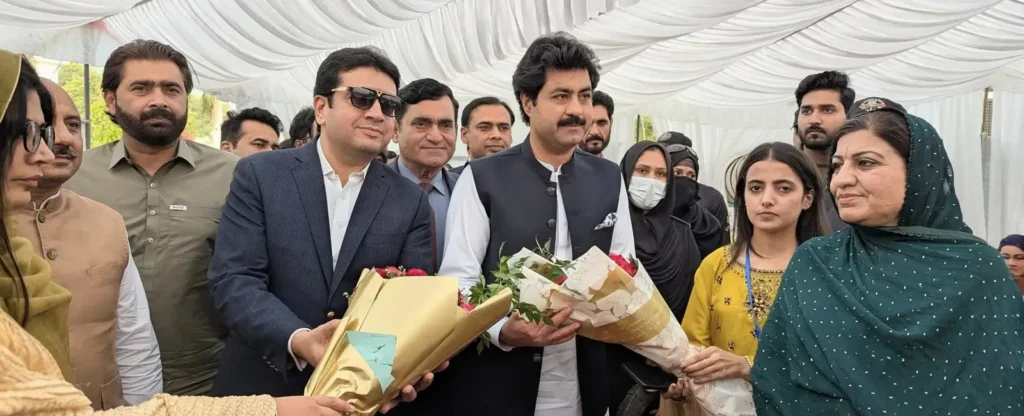
  • Humanitarian Aid to Palestine: How Sohail Shaukat Butt Led a Major Welfare Mission

    Humanitarian Aid to Palestine: How Sohail Shaukat Butt Led a Major Welfare Mission

    Palestinian humanitarian aid is a global problem. The family struggles day in and day out. People lack essentials. Food is limited. Medicine is limited. In some places, shelter is insecure. During such periods, words are not important; it is the action. Real help saves lives.

    Hence, leadership is crucial. Good leadership brings hopefulness. It also brings resources. Sohail Shaukat Butt, the Minister of the Social Welfare Department, came out in this crisis. He guaranteed actual assistance to the needy together with Bait Ul Mal.

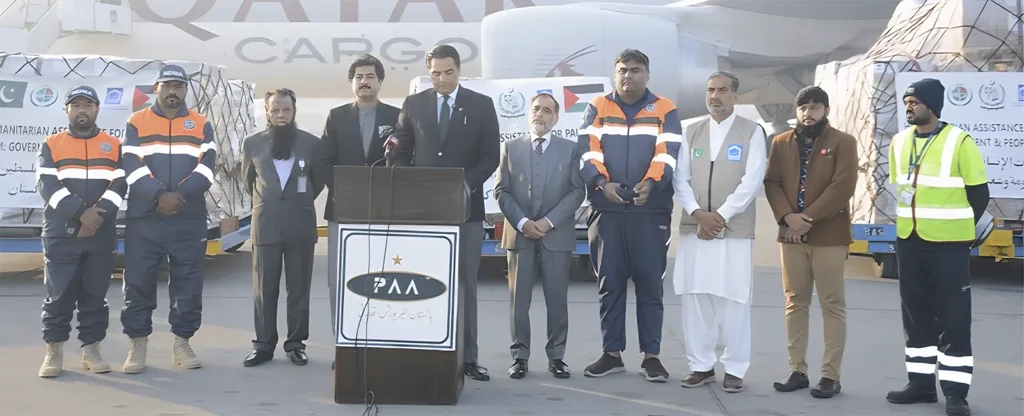
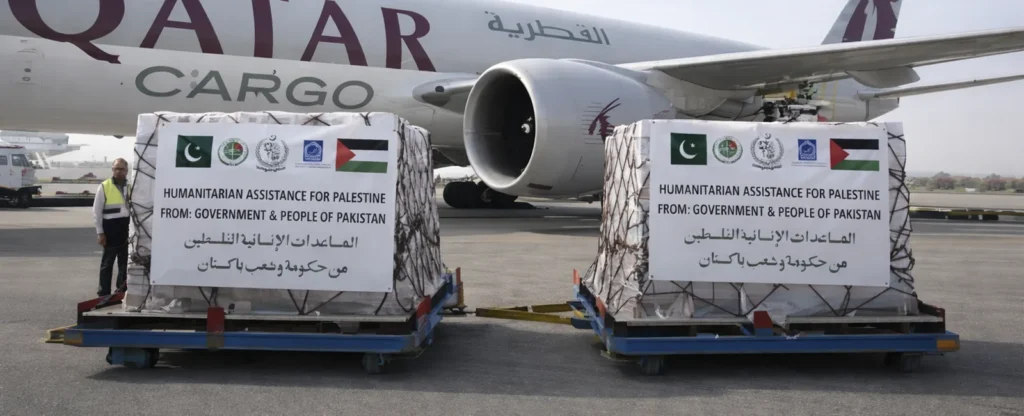
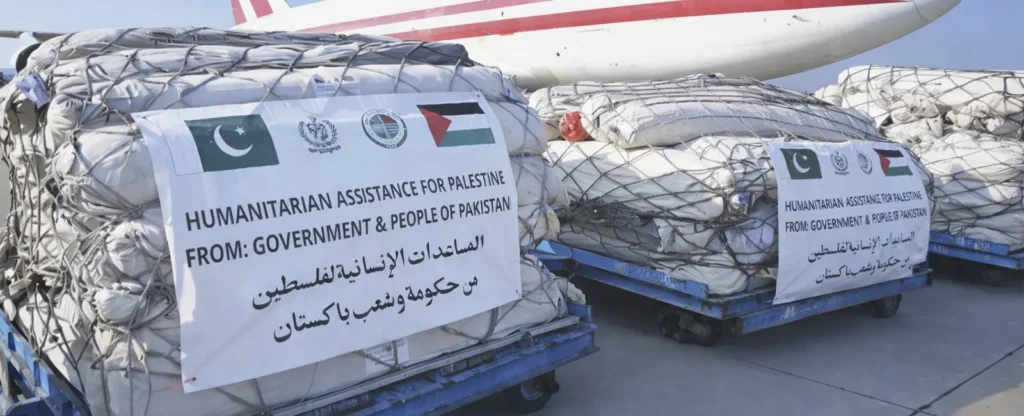
    Consequently, over 100 tons of supplies were delivered to Palestine. This was responsible work. It also showed care. At the same time, his welfare activity is ongoing in most cities. People now see change. They feel supported.

    This blog specifies such efforts. It also explains the importance of humanitarian aid to Palestine. Furthermore, it demonstrates the way in which welfare leadership can make a difference.

    Palestine needs humanitarian assistance

    Palestine has not ceased to face problems. Conflict affects daily life. Families are hard time making ends meet. Children are not well fed. Hospitals face shortages. There is the issue of clean water.

    Due to these circumstances, the humanitarian aid to Palestine is urgent. Fast support is offered by relief supplies. Food helps families survive. Medicine saves lives. Clothing protects children.

    Moreover, it has caused the loss of homes to many individuals. They now depend on aid. Suffering can only be enhanced by assistance. Consequently, massive relief operations are important. They bring sanity in place of confusion.

    Moreover, dignity is restored through humanitarian aid. People feel seen. They feel supported. This emotional support is essential as physical assistance.

    Responsibility of the Social Welfare Department

    The social welfare department is created to benefit individuals. Its goal is simple. It supports those in need. It augments its role during crises. It must act fast. It must plan carefully.

    The department played a role in logistics in this mission. It identified urgent needs. It made sure that supplies were in accordance with such needs. Subsequently, it took care of safe delivery.

    Besides, transparency was one of the priorities. There were clear procedures in each step. There was a high level of accountability. This built public trust. Consequently, the humanitarian aid to Palestine was delivered. It did not stop halfway. It did not lose purpose.

    Sohail Shaukat Butt is the leader of Sohail Shaukat Butt

    Sohail Shaukat Butt is action-oriented. His ministerial position is a responsibility. Yet, he treats it as service. His focus stays on people. He does not give promises, but gives results. He does not get slowed down like others. This is the style of his leadership.

    In addition to that, he understands welfare. He is aware that a crisis requires a rapid reaction. He also understands that planning is the same thing as avoiding waste. Hence, he strikes a balance between a sense of urgency and care.

    The social welfare department under his leadership is efficient. It works with partners. It uses resources wisely. It is a difference in this leadership style.

    Shipment of 100-plus tons of Palestinian supplies

    It was a significant mark of the shipment to Palestine. Over 100 tons of goods were dispatched. This included food items. It also included medicines. The assistance included essentials.

    Everything was selected selectively. The goal was usefulness. The aim was relief. They have not added anything superfluous. In addition, logistics were in need of a high level of coordination. Transport routes were laid down. Timing was managed. Security was considered.

    Due to this planning, the supplies were delivered safely. Families received support. Hospitals gained resources. Shelters were given necessities. In this way, humanitarian aid to Palestine was turned into real assistance and not a declaration.

    Partnership with Bait Ul Mal

    Bait Ul Mal played a key role. It works for public welfare. It helps the at-risk populations. Its mission was bolstered by its experience. The social welfare department and Bait Ul Mal were both in partnership. Each supported the other. 

    Resources were pooled. Efforts aligned. This led to an increase in the speed of aid delivery. Coverage became wider. Impact became stronger. It is this collaboration that demonstrates the way institutions can collaborate. With alignment in goals, there is an improvement in results.

    Impression on the Palestinian Community

    Aid impacts lives directly. Families receive food. Children receive care. Patients receive medicine. These are significant results. Besides, aid minimizes stress. Human beings are less concerned about survival. They focus on recovery.

    In addition, support gives hope. It makes people know that they are not alone. It also creates faith in universal sympathy. The humanitarian assistance to Palestine is not limited to supplies. It restores faith. It strengthens resilience.

    Welfare Work in Various Cities

    International aid did not cease; however, local work in welfare was not halted. Sohail Shaukat Butt targeted the urban centres of the region. Challenges were specific to every city. Food support was increased in most locations. Families with low income were helped. Healthcare access improved.

    Moreover, the sheltering services were enhanced. Protection was offered to those who were vulnerable. Children and women were accorded precedence. Such a moderate strategy is important. Foreign aid assists on the international scene. The local welfare empowers communities domestically.

    Living A Better Life with Welfare Programs

    Welfare initiatives strive to be stable. They address daily needs. They reduce inequality.

    With this kind of leadership, results-oriented programs are involved. Assistance goes to those who require it the most. Processes stay simple. Access remains easy.

    Also, feedback enhances services. Community voices matter. Programs are customized. The strategy establishes sustainable welfare sectors. It ensures long-term benefit.

    Humanitarian Aid Leadership is important

    Results are determined by leadership. Good leaders perform when there is a crisis. They do not wait for pressure. They move with purpose. Palestine needed to be courageous to receive humanitarian aid. It required coordination. It required commitment. All three were given by Sohail Shaukat Butt.

    His leadership was by example. It demonstrated how the world’s suffering can be answered by governance. Thus, this mission portrays good values of public service.

    Public Response and Trust

    The reaction by the people has been favourable. Human beings can appreciate actual action. They value transparency. They like staying the same. When leaders deliver, trust develops. It flourishes when the promises are transformed into outcomes.

    Furthermore, a welfare job establishes confidence in the long run. Communities feel supported. They feel respected. This belief makes institutions stronger. It also promotes cooperation in the future.

    Empowering the Welfare Systems

    Good welfare regimes should be planned. They also need compassion. These two elements were present in this mission. Resources were used wisely. Needs were prioritized. Delivery stayed efficient.

    Besides, systems were enhanced by experience. Each mission adds learning. Every adversity makes the strength. This process of constant improvement ensures the future crisis response is improved.

    Humanitarian Aid as Good Governance

    Policy is not the only governance. It is action. It is a responsibility. This duty is manifested through humanitarian aid to Palestine. It shows care beyond borders. It shows moral leadership. Respect is developed globally by such actions. They, too,o make others act. Hence, welfare missions enhance reputation and humanity.

    Long-term Vision: Welfare Support

    The mission is not the only one. Future intentions are to have a better emergency response. They also incorporate increased welfare coverage. Readiness is an area of concern. Systems will adapt. Resources will align.

    In addition, external assistance will be maintained. Decisions are made on humanitarian values. This is the vision that guarantees a lasting effect.

    Commitment to Human Dignity

    All welfare endeavours focus on human dignity. Aid should respect people. It should empower them. This was a mission based on this principle. 

    Prospects were brought in with courtesy. Processes remained humane. Consequently, dignity was saved by aid. It promoted recovery and not dependency.

    Difficulties experienced in the Mission

    In every mission, there is a challenge. Logistics pose challenges. Coordination takes effort.

    Risks were mitigated by preparation, however. Decisions were made out of experience. Teamwork solved problems. In this way, adversities were lessons. Teachings further preparedness.

    Role of Community Support

    The welfare is enhanced by community support. Volunteers contribute. Local leaders assist. This common effort increases outreach. It also builds unity. Teamwork was important in this mission. It ensured smooth execution.

    Ethical Use of Resources

    Ethics guide welfare work. Resources should be purposeful. Waste must be avoided. This mission was observant of that principle. Each item served needs. Each action followed ethics. Thus, the trust of the population was high.

    Developing a Service Culture

    Service culture develops by word of mouth. Leaders shape this culture. Sohail Shaukat Butt is a leader through example. His actions inspire teams. They commit fully. Such a culture enhances the delivery of welfare.

    International Goodwill in the form of Aid

    Humanitarian aid to Palestine is a show of solidarity. It shows shared humanity. Boundaries do not restrict sympathy. It is a matter of everyone suffering anywhere. That belief would be reflected in this mission.

    Acknowledgement and Valuing

    Making an effort was appreciated. Individuals recognized leadership. Respect was granted to institutions. Service recognition encourages repeated service. It encourages excellence.

    Future Welfare Initiatives

    The plans will be based on success. Programs will expand. Partnerships will grow. This mission teaches us how to plan for the future. This will guarantee improved future results.

    Conclusion

    Palestine will be a humanitarian aid obligation. It demands action. It requires leadership.

    This was the role played by Sohail Shaukat Butt. The real help was provided to the needy through the social welfare department and Bait Ul Mal. Over 100 tons of supplies were different.

    Meanwhile, there was still welfare work in cities. Communities benefited. Trust grew.

    This mission confirms that welfare leadership is important. It exemplifies the power of devotion. It provides a glimpse into a better future, too.

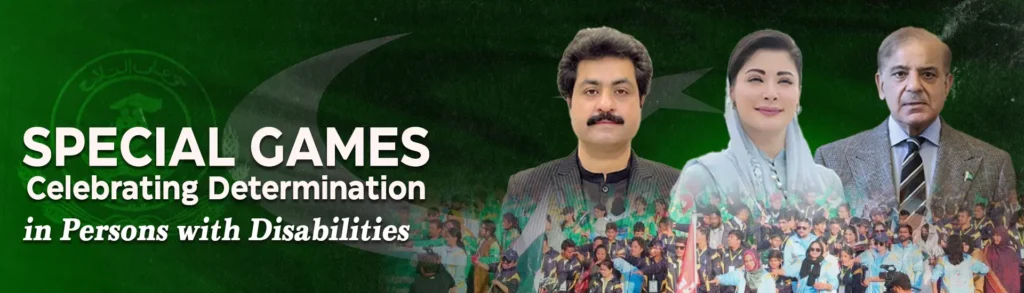
  • Special Games for Persons with Disabilities: Vision of Determination Building

    Special Games for Persons with Disabilities: Vision of Determination Building

    People with disabilities have special games, which are critical in contemporary society. They create space for growth. They build confidence. They restore dignity. Above all, they provide identical opportunities to proceed. For a long period of time, individuals with disabilities had not been identified in the field of sports. This fact is, however, altering.
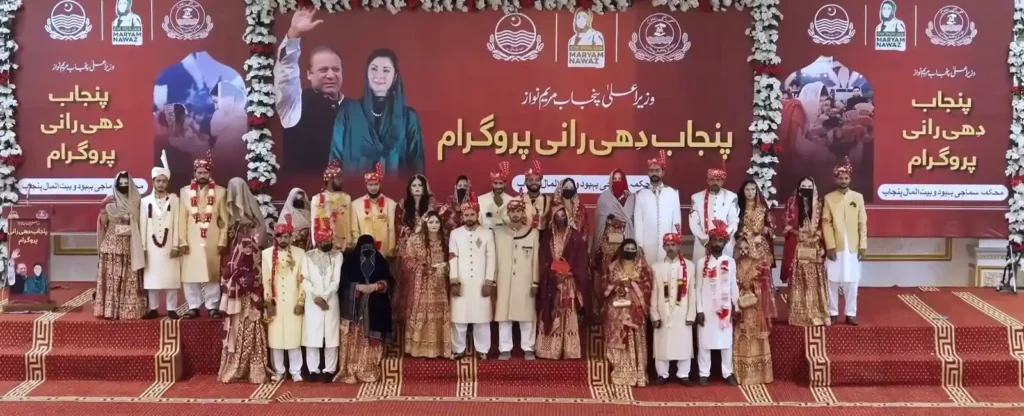
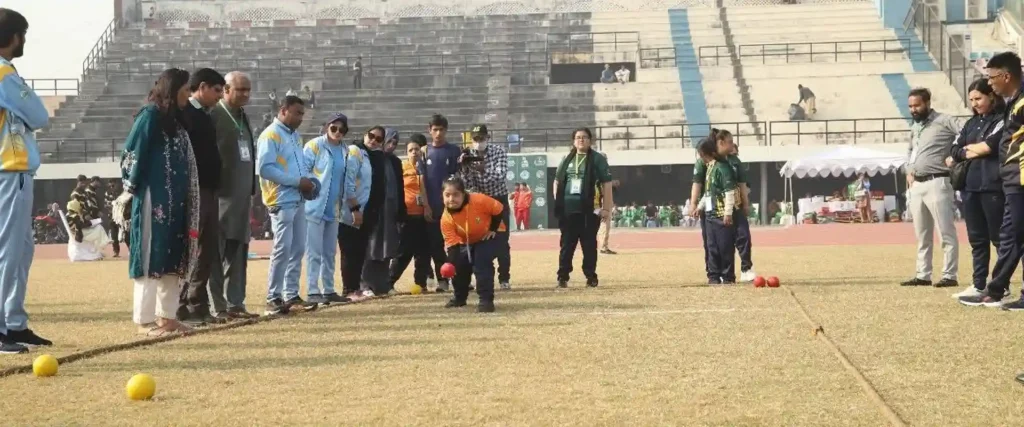
    Winning is not the only thing about sports. They are about effort. They are about belief. They are concerned with inner power. Special games are potent in design. They assist people in dealing with physical difficulties. They are also enhancers of mental strength.

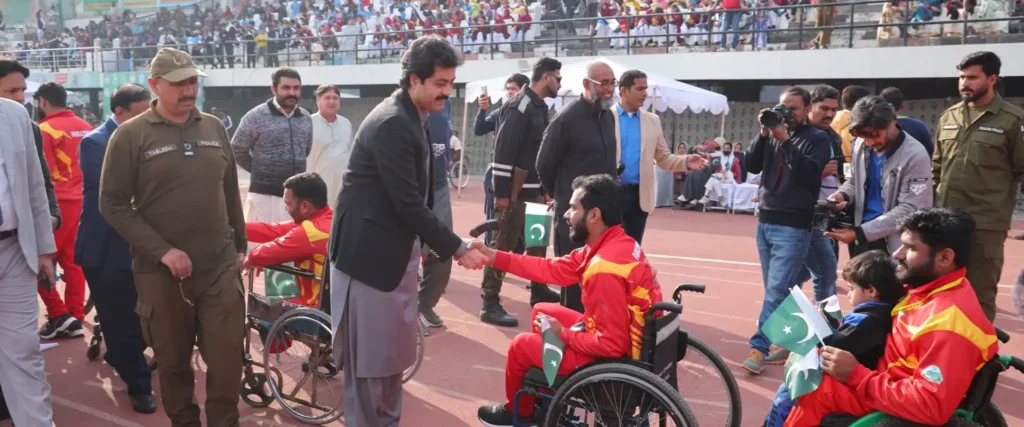
    Leadership is relevant in this journey. Vision matters. Action matters. The minister of the Social Welfare Department, Sohail Shaukat Butt, realizes that this is his duty. He, along with Bait-ul-Mal, offers the design of special games. These games are a robust platform. They inspire determination. They create inclusion. They make people with disabilities proud.

    This blog describes the way special games played by persons with disabilities determine their lives. It also emphasizes leadership, planning and long-term social impact. The language is easy to understand in each section. Each idea remains clear. The mission remains to be empowerment-oriented.

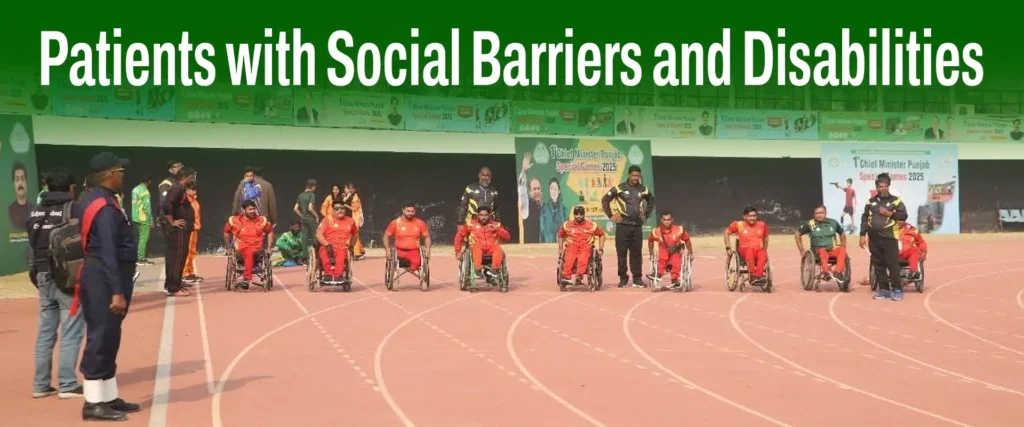
    Patients with Social Barriers and Disabilities

    Disabled persons deal with challenges in their everyday lives. Other obstacles are physical. Others are emotional. Many are social. In most cases, society puts up obstacles unintentionally. Buildings lack access. Events ignore inclusion. Opportunities are still few.

    Ability is, however, not defined by disability. Each individual has potential. What they need is access. They need support. They need respect. Hence, games focused on people with disabilities should be special and should cover real needs. Such games should take into account mobility, victimization, and comfort.

    In addition to that, social acceptance is a major factor. Through viewing inclusive sports, society becomes opinionated. Fear reduces. Understanding grows. This results in inclusion and makes inclusion normal.

    Significance of Special Games to Persons with Disabilities

    People with disabilities have special games in which they have more than one activity. They provide purpose. They give motivation. They create structure. Sports help the participants feel appreciated.

    To begin with, games are good for physical health. Exercise makes muscles stronger. Frequent exercise helps maintain equilibrium. It also enhances coordination.

    Second, games have a beneficial effect on the mental state. Participation increases confidence. Anxiety reduces. Focus improves. Gradually, perseverance is intensified.

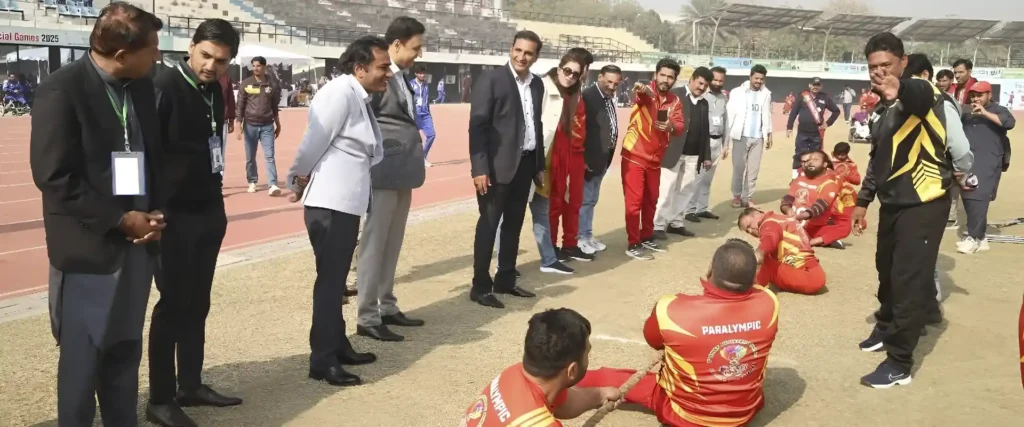
    Thirdly, social interaction is promoted through games. Individuals interact with fellow students. They share goals. They rejoice in achievement.

    Special games are not optional, therefore. They are essential.

    Sports as a Determination and Confidence Tool

    In determination, it does not come in one day. It grows with effort. The growth is facilitated by sports. Patience is developed in every practice. Every struggle is a lesson in survival.

    In the process of engaging in sports, persons with disabilities are subject to restrictions. Nevertheless, they also get to know how to go beyond them. This is a process that creates confidence. It shows what is possible.

    In addition, there is a discipline which sports teach. Routines are taught to participants. They learn teamwork. They learn commitment.

    Consequently, trust is not limited to the field. It appears in education. It supports careers. It improves daily life.

    The Role of Inclusive Sports in Social Development

    Inclusive sports unite people. They break walls. Instead, they substitute pity with respect. Social bonds are strengthened when special games are sponsored by communities.

    Children are taught to accept at a young age. Adults learn empathy. Society grows kinder.

    The isolation is also minimized in inclusive sports. A variety of persons with disabilities feel isolated. Sports reunite them with society. They feel seen. They feel heard.
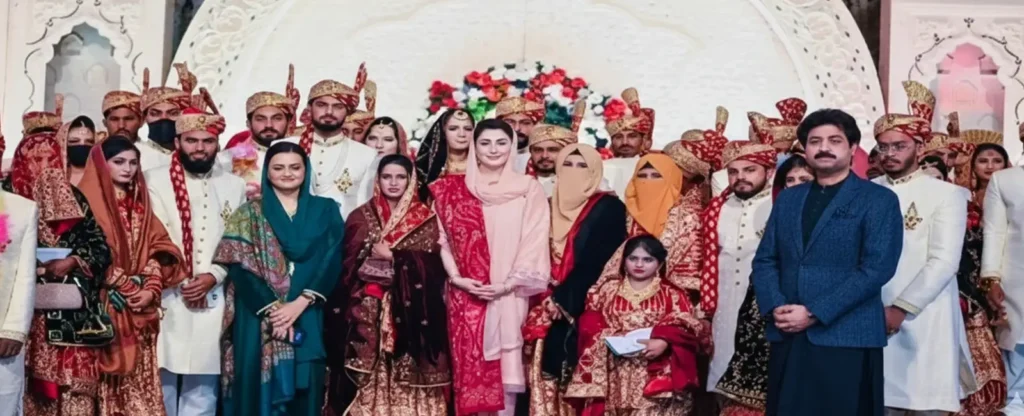
    In this manner, the disabled are moulded into a healthier society through special games.

    Social welfare department vision

    The Social Welfare Department plays a very significant role. Its purpose is based on dignity. It helps suffering populations. It encourages participation equality.

    The department goes beyond aid under strong leadership. It builds opportunity. It is geared towards long-term inclusion.

    This vision is associated with special games. They are in favour of rehabilitation. They promote self-reliance. They promote self-worth.

    The department allows access through policy support. It promotes teamwork, as well. This would lead to a greater number of people receiving programs.

    Sohail Shaukat Butt is the leader of the company

    Leadership brings ideas into practice. Sohail Shaukat Butt is an action-oriented person. He is the minister of the Social Welfare Department and is in favour of inclusion on all levels.

    His focus stays practical. He is a believer in platforms and not promises. He empowers through sponsoring special games to persons with disabilities.

    He realises that you should be seen. The society keeps up with its leaders, promoting sports that are inclusive. His approach builds trust. It also builds hope.

    Moreover, his leadership promotes teamwork. Various organizations collaborate. Resources align. Goals become achievable.

    Donation of Bait-ul-Mal on Inclusive Development

    Bait-ul-Mal is a supportive party. It provides resources. It supports programs. It strengthens outreach. Bait-ul-Mal assists special games through cooperation with the Social Welfare Department. Such assistance involves financial assistance. It also includes logistics.

    This support guarantees sustainability. Programs continue. The participants are kept interested. Additionally, Bait-ul-Mal is interested in dignity. Support comes with respect. This is a method that is in line with the objectives of empowerment.

    Developing Special Games to be accessed

    Special games are to be designed carefully. It demands understanding. The needs of each participant are different. To begin with, there is accessibility. The venues should be mobile-friendly. Equipment must be adaptable. Safety remains a priority.

    Secondly, regulations must be flexible. Games are supposed to adapt to the level of ability. Dealings with competition should not be unfair.

    Thirdly, trained personnel are significant. Coaches need awareness. They should know physical constraints. They are also obliged to inspire positively.

    Thus, effective design is guaranteed, and participation is not fearful.

    Adaptive Sports and Inclusion

    The adaptive sports can be modified. They remove barriers. They promote equal play.

    Inclusion is supported by wheelchair sports, guided activity and modified equipment. Such accommodations do not make things easier. Instead, they create balance.

    The other benefit of adaptive sports is creativity. New formats emerge. Respondents investigate skills in diverse ways. Consequently, sports are made accessible to everyone.

    Building an Athlete Disability Platform

    Visibility is achieved through platforms. Visibility creates respect. People with disabilities have special games that offer recognition. They are treated with respect towards the athletes. Their work receives recognition. This appreciation increases belief.

    In addition, platforms motivate people. Persons with disabilities who are young do view role models. They feel motivated. Society is also educated through public platforms. They show strength. They show skill. They remove stereotypes.

    Special Games have a psychological effect

    The power of the mind will be built by being involved. Sports reduce stress. They improve focus. That is a sense of accomplishment for the participants. Even small progress matters. This builds self-belief.

    Also, collaboration promotes psychological well-being. Shared goals create bonds. Naturally, support systems are created. Consequently, the state of mental well-being gets better progressively.

    Communities and Social Impact on Families

    Family influences are beneficial due to special games. Parents see growth. Siblings feel pride. Communities also benefit. Awareness increases. Support networks expand.

    Inclusive events unite people. They develop collective experiences. Therefore, the effects are not limited to participants.

    Sports and Training of Sports

    Sports impart good skills. Time management improves. Leadership emerges. Communication strengthens. These competencies favour learning. They also favour employment.

    Sports enable the participants to be disciplined. They learn goal setting. These lessons apply to life. As such, special games are useful for general development.

    Surmounting Obstacles in Inclusive Sports

    Challenges exist. The infrastructure is still poor in certain regions. Awareness may be low.

    However, solutions exist. Training programs help. Access is enhanced through policy support. There is also community involvement. Local support is a guarantee of continuity.

    Planning enables the handling of challenges.

    Sustainability and Policy Support

    The policy needs to support sustainability. Long-term planning matters. Funding is guaranteed by government assistance. Guidelines are clear, which means quality.

    Programs become better with proper monitoring. Feedback helps growth. Therefore, sustainability can still be attained.

    The Future Prospectus of Special Games in Pakistan

    The future holds promise. Expansion remains possible. Regional programs can grow. The youth should be engaged more. The inclusion can be supported in schools. Talent can be brought out through national events. Exposure internationally may take place. With sustained leadership, progress is achieved.

    Role of Media and Awareness

    Media shapes perception. Inclusion is facilitated by positive coverage. Determination stories are inspirational. Others are driven by success stories. Awareness reduces stigma. It also builds respect. Thus impact is enhanced by media support.

    Establishing a Non-Discriminatory Sports Culture

    Culture changes with action. Inclusive sports are models. Equality comes as a follow-up to inclusion.

    This culture can be developed through special games played by persons with disabilities. They remind society of common mankind.

    Long-Term Social Benefits

    Sports are inclusive, thereby eliminating inequality. They promote fairness. Communities grow stronger. Social unity improves. Economic involvement can also work out. Assertive people give more. Thus, the benefits last long.

    Perseverance as a Motivating Force

    Success is motivated by suffering. Sports nurture this quality. Every struggle makes it stronger. Each effort builds belief. Sports enable persons with disabilities to become more resilient. Such a conviction facilitates lifelong development.

    Conclusion

    Competition is not the only thing that special games for persons with disabilities provide. They offer hope. They offer dignity. They offer determination.

    With the outlook of the Social Welfare Department, the headship of Sohail Shaukat Butt, and the assistance of Bait-ul-Mal, inclusive sports are empowered. Collectively, they generate platforms. They empower individuals. They inspire society.
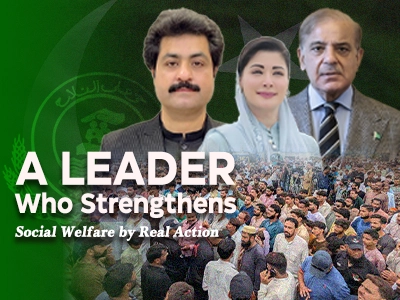
    These games change lives. They reshape perspectives. They demonstrate that ability is all over.

    Through sponsoring special games, the society is advancing. Inclusion becomes reality. Decision-making becomes evident.
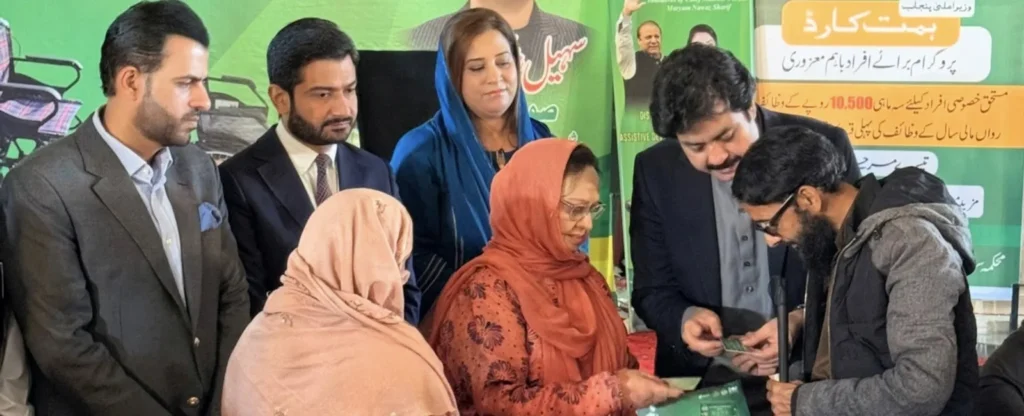
  • Continued Wheelchair Distribution Program in Punjab and Sohail Shaukat Butt

    Continued Wheelchair Distribution Program in Punjab and Sohail Shaukat Butt

    Society is determined by its social support. Real help given to weak communities brings them up confidently. The process of development is equal when the state invests in its poor and disabled citizens. This support has received a new value in Punjab.
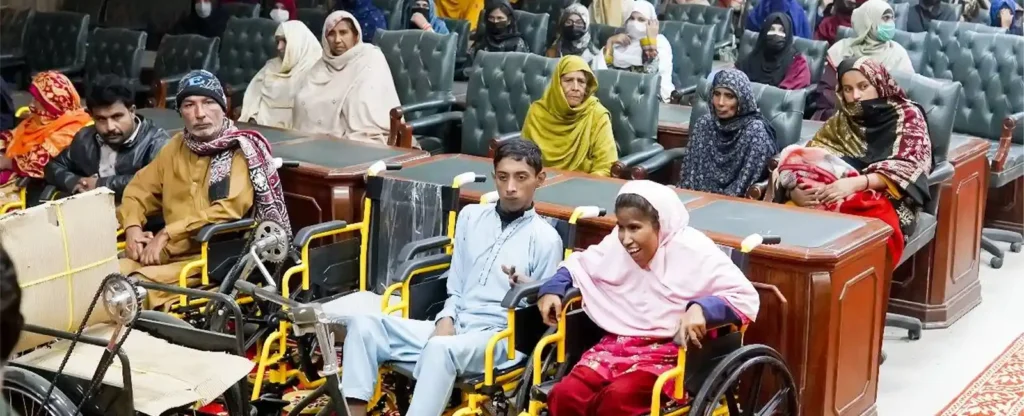
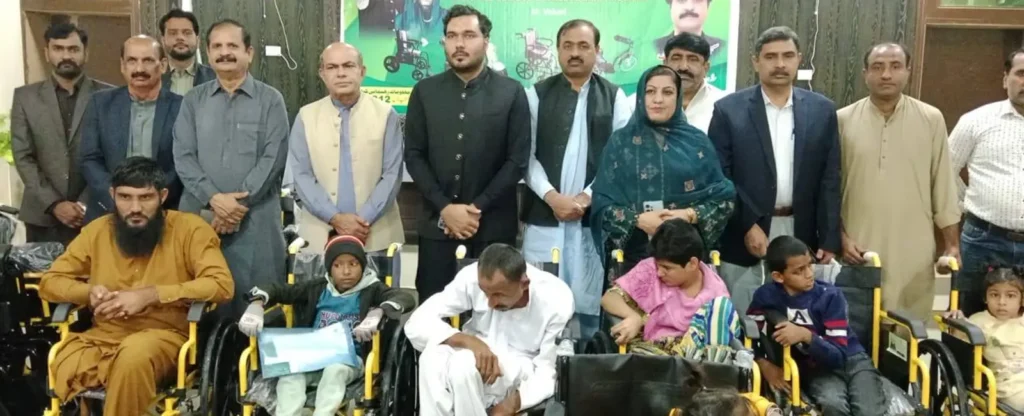
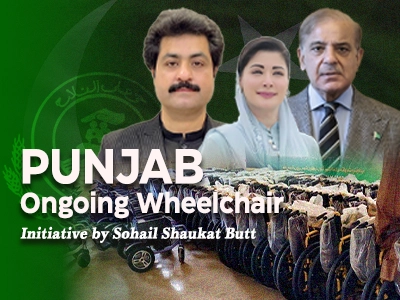
    The Wheelchair Distribution Program in Punjab has become one of the most used welfare measures. The then Minister of Social Welfare and Punjab Bait-ul-Maal, Sohail Shaukat Butt, initiated this. He has improved the lives of several families through his work. It has also demonstrated a good model of responsible public service.

    The program provides wheelchairs to the poor and disabled individuals who are unable to afford them. It provides freedom, respect, and self-sufficiency. It also causes mental comfort, given that movement is a basic human requirement.

    The Social Welfare Department shows its action, not just words, through this work. The effect persists in most of the cities in Punjab. This blog discusses the program and its importance. It also shows how Sohail Shaukat Butt is making a significant impact in welfare programs.

    Knowledge of the Purpose of the Social Welfare Department

    Individuals in every society require attention. Others have a hard time with physical disability. Some fight poverty every day. Some cannot move on their own.

    The Social Welfare Department represents these groups. It has direct assistance via numerous welfare schemes. The goal is simple. Nobody can feel lonely in pain and poverty, and disability.

    Punjab Bait-ul-Maal plays another significant role. It provides both financial assistance, physical assistance and social protection. The institution aids families that have minimal earnings. It gets to individuals in urban areas and distant villages.

    The department, along with Bait-ul-Maa, makes a powerful group of welfare services. These services are mobility support, healthcare support, protection of the disabled, and special assistance for the weaker societies.

    Therefore, the Wheelchair Distribution Program Punjab was a logical continuation of their activity. It is a compassion-based program. It acknowledges the pain that disabled individuals experience when they cannot move with ease daily. It also understands that mobility is the key to education, labour, and decency.

    Sohail Shaukat Butt: An Active Vision Public Servant

    Real leaders do not remain in offices. It emerges and touches individuals where they need assistance. Sohail Shaukat Butt has demonstrated this by deeds.

    His visits to districts, hospitals, and welfare centres show this approach. He listens to people. He observes their problems first-hand. Then he designs assistance which suits actual requirements.

    His work avoids long delays. It focuses on timely action. Being a minister, he focuses on welfare programs in poor families. He also makes sure that these programs are available to the most needy groups.

    Many initiatives became strong under his guidance. One of the best ones is the Wheelchair Distribution Program in Punjab. It emphasizes his attention to mobility support, disability care and involvement.

    People across most cities commend the good changes. They meet a minister who walks towards the community instead of waiting for complaints. This has led to trust between local teams, officers and the people. This has led to the fact that welfare programs proceed with a consistent movement.

    Introduction of a Wheelchair Distribution Program in Punjab

    The notion started with a mere observation. The disabled in Punjab had many individuals who could not move independently. Others crawled on in pain.

    Others were extremely reliant on relatives. Some remained locked up in their houses. Mobility, being a determinant of everyday life, rendered its absence a sad and stressful event.

    Thus, Sohail Shaukat Butt started the Wheelchair Distribution Program in Punjab. The purpose was clear. The government should provide mobility support free of charge to all disabled and poor individuals. They would provide free wheelchairs to the disabled.

    The aim was not only movement. Decency, comfort, and self-sufficiency showed the situation.

    A wheelchair assists the disabled to get to school, places of work, places of worship, and health centres. It removes the emotional weight on families. It rebuilds confidence.

    When they implemented the plan, they extended the program to districts. Teams of needy persons identified care. Someone checked the forms.

    The team verified the medical conditions. They gave preferential treatment to poor families. By this approach, the distribution remained equal, open and systematic.

    The Distribution Process

    The process is simple. It maintains attention to needy people. Welfare officers identify the disabled first with the help of local records.

    Families are also welcome to apply to them. Then they confirm income and disability. Then, someone forwards the names to the district Bait-ul-Maal offices.

    Upon approval, local events or direct company delivery will provide the delivery of wheelchairs. The officers will make sure the right people receive the wheelchairs.

    This open system develops trust. It also prevents misuse. A clean, equitable, and well-managed welfare project remains.

    The program also utilizes the related welfare tools. Some receive medical guidance.

    Others receive assistance with daily needs. In some cases, they refer the cases to long-term assistance. This will make the program more valuable.

    Effect on Individuals and Society

    The impact is visible. A wheelchair appears to be an easy tool. Yet it changes life. It gives freedom. It gives painless movement.

    It enables individuals to breathe easily. People feel respected again. They are free to move without relying on others.

    Families also feel relief. They do not have to carry the crippled member to each step or support.

    The disabled children can attend school with ease. Adults can go to workplaces or markets. Old people find comfort in day-to-day mobility.

    Groups also benefit. Once disabled individuals become mobile, they re-emerge in social areas again.

    They feel re-enthused and regain their membership. This enhances integration and equality. The Wheelchair Distribution Program in Punjab has made this apparent change in most regions.

    The reason this program is different

    Numerous welfare programs exist, but only a small number of them have people directly targeting them. The Wheelchair Distribution Program in Punjab is unique based on many reasons:

    • Of immediate bodily advantage.
    • It reaches out to the most vulnerable groups.
    • It minimizes dependence in the long term.
    • It enhances the quality of life in a few minutes.
    • It permeates the cities, even the smallest ones.
    • It guarantees process transparency.
    • It has an emotive meaning for families.

    Above all, the leadership that is interested in social improvement directs it. The program is a priority of Sohail Shaukat Butt. He actively participates in it, making the work dynamic and consistent. His visits ensure accountability at the local levels.

    Teamwork Behind the Program

    It requires teamwork in a program of this size. The Social Welfare Department works closely with district officers. In distribution events, organizers use volunteers.

    Medical experts verify disability cases. On the ground, representatives help poor families through outreach. This community work makes the program hustle-free.

    Teamwork also promotes trust. Whenever individuals observe various units collaborating, they become safe.

    They hope that one day they will have their time. They trust the process. They also spread information to those in need, and this increases access to the program.

    Narratives That Indicate Real Change

    In Punjab, there are numerous tales of effects. A man who was not able to walk several years ago is now old and walks freely. A student with disability is now able to get to school without having to worry. Now, a mother who is barely able to move visits the clinic and does not wait to be accompanied by someone carrying her. Such tales are repeated everywhere.

    It is not only the physical change. It is emotional. People feel seen. They feel valued. They feel human again. These emotions enhance mental well-being. They also enhance bonds in the communities.

    Future Plans for Minister Sohail Shaukat Butt

    The work does not stop here. Plans are expanding. There will be increased access to wheelchairs in more districts. Additional assistive devices can be introduced in the near future. There are also programs that are being considered that deal with the visually impaired people. The visits to the districts by welfare teams will be more extensive.

    This is aimed at long-term support and not a single action. The minister is a person who believes in service. His future move is an indication of devotion to disability care and poverty reduction. This strategy will result in further welfare enhancement in Punjab.

    Conclusion

    The Wheelchair Distribution Program in Punjab is a example of an apparent reality. Real welfare is action. Communities are strengthened when the right people are placed in the right position at the right time. The Social Welfare Department and Punjab Bait-ul-Maal have been able to demonstrate how this can be achieved under the leadership of Sohail Shaukat Butt. The program introduces mobility, dignity, freedom and hope. It values the problems of the poor and the disabled citizens. It supports families. It empowers the communities in Punjab.

    This is not just another welfare program. It is a path toward equality. It is an indication of responsible leadership. It is a step towards a province in which no invalid will feel neglected, and no poor family can be left alone.

  • Punjab Himmat Card Program: Sohail Shaukat Butt Guidance

    Punjab Himmat Card Program: Sohail Shaukat Butt Guidance

    Himmatt Card Program in Punjab has started as a remarkable light of hope. It provides help to the most needy. It benefits handicapped and poor families who find it difficult to manage their everyday needs.

    This program has grown under the strong guidance of Sohail Shaukat Butt. He is the Minister of Social Welfare and Punjab Bait-ul-Maal. His work has changed several lives. It also gives respect and support to individuals who used to feel ignored.

    Despite the statements that many projects start with, few of them later turn into a change. This is the change that has come true.

    It focuses on the needs of the human being. It gives assistive devices. It gives wheelchairs. It gives the Himmat Card.

    Everything mentioned makes one independent. They reduce stress. They simplify the lives of disabled persons and their families.

    This blog describes the way the program operates. Also, it explains why Sohail Shaukat Butt has been influential in other cities. It reveals the significance of this initiative. And it explains why individuals consider it a fresh change in the welfare system of Punjab.

    A New Direction: The Himmat Card Program in Punjab

    In Punjab, authorities established the Himmat Card Program to assist disabled individuals with financial assistance and special treatment. It makes them move, study, and get medical services easily. It also provides them with a definite identification within the system.

    Numerous individuals with disabilities find it difficult since the systems fail to identify their needs. This card addresses such an issue.

    The program is beneficial in that it provides such benefits:

    • Monthly support
    • Medical assistance
    • Training chances
    • Assistive devices
    • Wheelchairs
    • Access to welfare centres

    Even though such advantages seem to be easy to look at, they bring tremendous relief. They ease the poor family’s load. They also assist the disabled in their day-to-day lives.

    The concept of this program is simple. We should respect individuals with disabilities. They deserve comfort. And equal chances they should have. This is why such a program exists nowadays.

    Helpful Technology to Ease Everyday Life

    Assistive technology enables the disabled to have control over their lives. Such machines are hearing devices, walking sticks, medical crutches and support aids. They assist people in locomotion, hearing, or conducting their day-to-day activities easily.

    Before this program, lots of disabled individuals were unable to afford such tools. Even the minor devices were too costly.

    They were not able to meet their needs because of poverty. This was a source of distress and agony. The situation is, however, improving now because of the Himmat Card Program in Punjab.

    The provision of the assistive devices has turned into a routine. The teams travel to various cities. They meet families.

    They check needs. Thereafter, they share things according to the condition of each individual. This process shows care. It also shows respect.

    Sohail Shaukat Butt supervises many such events. He is there to make sure he works fairly.

    It also develops confidence among the people. They feel appreciated when they find a minister around them. They feel seen. And they feel supported.

    Wheelchair Distribution for Better Mobility

    Wheelchairs bring freedom. They assist disabled individuals in moving without relying on others. They allowed people to come to school, work and community activities. They restore respect and confidence to everyday life.

    The government usually supplies wheelchairs in low quantities. But Sohail Shaukat has, however, increased the distribution. More people now receive this support.

    The check teams check needs. They offer powerful and comfortable wheelchairs. and they instruct families in their safe use. This shows a simple truth. A wheelchair is not merely a chair. A chance for a new life exists.

    The open door to self-reliance exists. It provides individuals with a chance to be proud of their movement. This is the reason the distribution program has taken centre stage in the Himmat card program in Punjab.

    Sohail Shaukat Butt: A Minister who brings the Real Change

    Guidance does not entail speeches. The focus is on action. Sohail Shaukat Butt has demonstrated this by taking an active part. He visits cities.

    He attends welfare events. He meets families. He verifies the process by himself. Because of this, the program remains smooth and honest.

    A good number of ministers remain in office. They manage from a distance.

    Nevertheless, he takes another path. He prefers fieldwork. He likes forthright communication. He favours an open style of handling things.

    Because of his participation, the Social Welfare Department is more trusted by people. They are comfortable with the process of registration. They feel respected. And they realize that one works on their behalf.

    This leadership style has increased the rate at which the Himmat Card Program in Punjab has grown.

    Employment in other Cities of Punjab

    The program has taken place in numerous districts. The needs of each district vary.

    The issues of each area are different. But the labour persists with equal vigour. Whereas facilities are not so many in some areas, the teams strive to provide support in those areas as well.

    Below, we list some of the prominent cities where you can distinguish the minister’s ministry.

    Lahore

    Lahore is a sprawling metropolis comprising a large population. A great number of disabled individuals reside in low-income regions. They require effective support systems.

    At this place, the Social Welfare Department holds several camps. A large number of organizations provide individuals with wheelchairs. Most of them receive assistive devices. And a great number of them get the Himmat Card.

    Many events occur that the minister attends. People appreciate this. They have a sense of belonging to the government.

    Faisalabad

    Faisalabad boasts a good number of industrial workers. Due to risky occupations, a lot of people lose their lives or become disabled. The program assists them by distributing equipment. It makes them feel comfortable and dignified.

    Registration centres operate effectively. They direct families in basic phases.

    Jhang

    Jhang is a significant district of Punjab. Here, poor families are struggling because of meagre resources. This has been quite successful with the Himmat Card Program in Punjab.

    People receive help quickly. They get equipment. They get financial support. They get clarity on benefits.

    Sohail Shaukat Butt has been to Jhang a number of times. He verifies nothing negligently. This creates trust in the masses.

    Sargodha

    A high number of disabled people reside in Sargodha. Many cannot walk. Many cannot afford tools.

    The events of wheelchair distributions here bring significant relief. Families feel grateful. And a lot of the disabled can travel freely now.

    Multan and Nearby Areas

    The welfare centres in Multan operate during the weekdays. They assist the disabled individuals with documents.

    They help with registration. They instruct them on the advantages of cards. They make the process simple.

    The minister has invited teams to assist outlying villages. Thus, the outreach is expanding.

    Just and Fair Distribution

    Individuals are usually concerned with unjust structures. They are afraid that it is the chosen individuals who have advantages. This is, however, not the case with the Social Welfare Department headed by this minister. They guarantee easy and equitable regulations.

    The process includes:

    • Easy registration
    • Document checking
    • Medical verification
    • Equipment approval
    • Distribution event

    Each step is clear. Someone records each step. Someone monitors each step. This builds public trust. It also enhances the quality of the programs.

    The minister has ordered teams to prevent wastage of time. They must serve everyone. They must avoid favouritism. And they should treat human beings with respect.

    Because of these regulations, the Himmat Card Program in Punjab now promotes justice.

    Teamwork Behind the Success

    No program grows alone. It needs teamwork. It needs dedication. And it requires coordinated endeavours.

    The employees of welfare offices work throughout the day and night. Some volunteers guide the families. Officers manage records. The health teams examine conditions.

    Everyone plays a role. And this collaboration yields good outcomes. It also demonstrates that serving people earnestly makes serving them a source of power.

    Sohail Shaukat Butt appreciates such teamwork. He also tends to value officers and workers. He urges them to keep on their work. This good atmosphere enhances performance.

    Implications for the lives of people who are disabled

    Once assistive devices or wheelchairs are provided to individuals, their life improves at a fast pace. They feel new strength. They feel hopeful. They feel valued.

    Before, many disabled people were unable to move. Now they can visit schools. They can visit hospitals.

    They can go to work. Others are even able to commence small employment at home. This assistance puts them back into society.

    The poor families also feel relieved. Supporting the disabled member of the family is hard. Families experience emotional pressure. Their economic pressures are also a problem.

    But once they receive assistance, they feel relieved. They feel that the system supports them.

    The Punjab Himmat Card Program does not simply offer tools. It provides respect. It provides equality. It provides confidence.

    Future Vision and Long-term Goals

    The program will grow more. We will reach more cities. Someone will provide new devices.

    The program will assist children with disabilities. The program will support elderly disabled individuals. The program will assist families who are not able to afford treatment.

    Increased digital systems will also be present. Registration will be more rapid. Tracking will become easier. And post-discharge services will be less slow.

    The minister has the desire to establish a robust welfare network. This network will assist all the disabled. Every district will benefit from it. And it will make sure that everyone feels included.

    The future promises more hope to those who require it.

    The significance of this program

    Only when people experience the reality of change do programs become worthwhile. This is the one that brings change daily. It offers:

    1. Independence
    2. Mobility
    3. Comfort
    4. Easy access
    5. Family relief
    6. Social acceptance

    The disabled are usually excluded. They feel left behind. However, this program shatters this sentiment.

    It takes them into the core. The sentence shows that the government cares. It shows that they matter.

    The leadership of Sohail Shaukat Butt has enabled this. His writing reaches societies. His vision brings clarity. His commitment drives the program.

    Conclusion

    The Himmat Card Program of Punjab is not just a welfare project. A promise exists. Someone has taken a step toward equality.

    A light for individuals who live with hardships shines. It leads to mobility, safety and respect for disabled people. It also has comforting effects on poor families.

    The contribution of Sohail Shaukat Butt has been key in ensuring that this program is strong. He is committed to his work in the various cities. His leadership influences teams. And his positive support empowers thousands of families.

    With more hope generated by this program, the program will expand. The message will reach more people. And it will make Punjab a better place for the disabled and families living in poverty.

    This is the real strength of welfare. This is what human-centred guidance profoundly does. This is what the Himmat Card Program in Punjab truly achieves.

  • Dhee Rani Program in Jhang: New Age of Social Welfare

    Dhee Rani Program in Jhang: New Age of Social Welfare

    Social welfare shows the power of a society. It brings families together when they are lost. It creates hope among those who feel that they are alone. It picks the poor up in a gesture that is real. This responsibility is a highly valued one in the state of Punjab since the stability of many families relies on the support programs. They require reprieve, which does not come late. They require systems that are fast-moving and are aware of their needs. It is due to this that the importance of the role of leadership becomes very significant.

    It is the name Sohail Shaukat Butt that has a strong presence here. His service as the Minister of the Social Welfare Department and the Punjab Bait-ul-Maal is very committed. His policies are aimed at clear action to which many people have witnessed positive change. Better, he is an employee with a consistent and clear attitude. He listens. He observes. Then he delivers. His work gives a fresh push to social care programs in Punjab.

    The Punjab Dhee Rani Program is one of the brightest examples of it. This program assists the daughters of low-income families. It assists the parents with the help of marriage so that they would not feel like they are being burdened. There were over 169 couple marriages in Jhang alone under his leadership. This number speaks. It shows care. It shows consistency. And how effective leadership can transform lives.

    These achievements are discussed in this blog. It describes how welfare programs cover more cities. It also demonstrates how his leadership is helping to create superior futures for families in Punjab.

    The Social Welfare Department Role and Punjab Bait-ul-Maal

    The Social Welfare Department and Punjab Bait-ul-Maal are highly responsible. They help the suffering population. They lead families that have difficulties in everyday demands. They act as a relief to a lack of income. Their labour is in the lives of so many ways unheard of. It imparts respect and sanity in areas where tension becomes cumbersome.

    The department also collaborates with numerous communities. It runs welfare centres, child protection services and women support programs. It is also targeting the elderly and the disabled. Punjab Bait-ul-Maal has an equal role to play. It assists the families through financial aid. It helps widows, orphans, and individuals who are unable to meet their basic needs. These institutions put society on its feet bit by bit.

    These systems have a higher speed under the leadership of Sohail Shaukat Butt. They respond faster. They reach further. And they build trust. His style takes the argument further by saying that the concept of help to the masses should never be made to drag or be confusing. Rather, it must be secure and easy. This mentality enhances the whole welfare system.

    Besides, the department increases numerous services in a clear way. Now, families are not instructed on long delays. Citizens living in remote locations have more convenient access to help. And due to this, the social development increases throughout the province.

    The Social Welfare Department has become a pillar of support for thousands of people. Punjab Bait-ul-Maal also remains to emerge as a powerful collaborator to needy families. They form support systems together and particularly with him leading in the direction.

    Sohail Shaukat Butt: A Leader who gets down to Business

    When leadership is accompanied by action, then it becomes mighty. And this is the sign of Sohail Shaukat Butt. The output of his work is weak objectives and powerful results. He avoids long claims. Rather, he is concerned with ground results. His activities extend to big cities and small towns. His schemes involve the ordinary citizens. And this is why most view him as a servant leader.

    Clarity is evident in his leadership style. In his opinion, welfare should be brought to the people in need. It has to go through them unhindered. It should approach them with respect. Due to this reason, he pays frequent visits to various districts. He checks progress. He meets teams. He listens to citizens. These visits make the system active and accountable.

    His second strength is his very good coordination with the local staff. This will help in building confidence between the communities and the department. It also reduces delays. Welfare should never be far away. He makes it personal and perceptive.

    In Punjab, he drives women, children, the elderly, and low-income families. He leads groups to enhance the availability of social support. He promotes openness in all undertakings. His leadership is a momentum in such cities as Lahore, Jhang, Faisalabad, Multan and Rawalpindi.

    Positive change is observed in that people now find the response of the department to be quicker and more just. Confidence is established by this change. It also enhances faith in social systems among the people. And a good part of this advancement is due to the vigorous, constant headship.

    Punjab Dhee Rani Program: Sense, Ideals, and Effect

    Purpose of the Program

    The Punjab Dhee Rani Program has a noble intention. It serves low-income families that have daughters. Most parents are concerned about marriage costs. To some of them, these expenses become uncontrollable. This is the burden that is lifted by the program. It gives honour to families. It shields daughters from being a source of financial burden. It assists them in entering a new life with dignity and happiness.

    Values Behind the Program

    The program is based on equality and empowerment values. It is a message that daughters must be equally supported. It emphasizes that daughters should not be victimized by financial limits. This assumption enhances social justice. It also helps families to appreciate their daughters in a greater way. These values result in healthier communities over time.

    Family Impression throughout Punjab

    The program changes lives. It gives joy to parents who used to dread the expense of getting married. It provides young females with a safe beginning to married life. It eliminates pressure among low-income families. And it is conducive to social peace. By being supported, people get more hopeful. They feel more respected. And this brings us closer to the community.

    This program has good management that keeps it growing. Its outcomes are the contribution of the Social Welfare Department and Punjab Bait-ul-Maal. And a lot of this development was made in the leadership of Sohail Shaukat Butt.

    169+ Couple Marriages in Jhang: A big achievement towards the welfare

    Something outstanding occurred in Jhang. Over 169 such couples started their married life through the Punjab Dhee Rani Program. This success eloquently talks about being devoted to social welfare. It demonstrates the power of proper planning. It is also indicative of the vision of Sohail Shaukat Butt.

    These were not just events in these marriages. They were moments of relief. Parents were not stressed; rather, they felt honoured. Couples were young and were not pressured. Every marriage was a hopeful story. All of them demonstrated the fact that welfare initiatives can transform the lives of people.

    There was good coordination in the arrangements. Local units were served by teams of the Punjab Bait-ul-Maal. Families were directed by social workers. Nothing was as careless as the discipline. The involvement and presence of the minister made the event more valuable. His keen eye helped him with the whole work.

    Jhang was full of thankfulness in terms of community response. Families liked the help. Leaders valued the impact. People saw real change. And through this, there are many people who now have more trust in the department than ever.

    Such marriages lower the pressure on families in the long term. The young couples are provided with a solid foundation. They promote harmony in the community. And, above all, they demonstrate what can be accomplished in the direction of targeted welfare with serious care.

    This has now been regarded as one of the best welfare milestones in the district. It also gives hope to other territories. And it points out the power of leaders to make large-scale welfare possible.

    Other Cities’ Welfare Development

    Social welfare increases in most cities of Punjab under the leadership of Sohail Shaukat Butt. His work is diffused way beyond Jhang. His attention is extended to all areas that require help. And due to his leadership, the welfare services have become better in some main areas.

    Lahore

    The welfare programs in Lahore are organized better. Women and children are assisted by the support centres. The elderly citizens and individuals with disabilities are guided by teams. Consciousness takes care of more communities. The services form a secure network among the vulnerable population. Some families require guidance and fast help.

    Faisalabad

    Faisalabad is a densely populated district that is, therefore, well taken care of. The poor families receive support on a day-to-day basis from welfare teams. Particular attention is paid to women and children. Shelter programs, rehabilitation and basic needs programs are more effective. Due to this fact, individuals are relieved during stressful moments.

    Multan

    The social development projects are under constant development in Multan. The poor can then have more access to medical support. Welfare centres are more guiding to more families. The aged are accorded relief services in a dignified way. The systems ease the burden on low-income families.

    In other cities such as Rawalpindi, Gujranwala and Sargodha, access to welfare increases. Remote areas are accessed by mobile support units. Local teams are given clear guidance in order to react quickly. And due to this, there is greater enhancement of social care in Punjab.

    Responsible Leadership as a Positive Change

    Change does not come alone. It comes by way of definite choices. It is delivered via conscientious managers. and it is brought about by leaders who remain in contact with men. This is what constitutes the leadership of Sohail Shaukat Butt.

    He drives policies that are concerned with fairness. He helps teams eliminate delays. He promotes transparency in all processes. He maintains a simple style of communication. It is due to this that development is not concealed.

    They are able to respect families more as they seek welfare help. They feel comfortable sharing problems. They feel appreciated in the way solutions are given to them. This change justifies the value of listening leadership.

    Trust is enhanced by his ever-present concern about accountability. His choices are in favour of equality and inclusion. The style creates a solid foundation of social growth. It renders the welfare system more reliable. And it puts Punjab on a future path that is more accommodating.

    Collaboration and Teamwork enhance the Welfare Programs

    Effective welfare work is based on teamwork. No individual can take care of all the needs. This is why all the welfare programs under his command are successful through collaboration.

    Districts coordinate with the NGOs through teams. Social workers come together with field staff. The local leaders direct families to available help. Such collaboration brings about quicker services. It reduces confusion. And it expands the scope of welfare activities.

    Information exchange among the different units continues. This ensures that the system operates continuously. And when the system is performing better, the people feel like they are supported, in real time.

    Empowerment of Social Welfare in Punjab

    The future of social welfare in Punjab is now brighter. This development is a result of the ongoing commitment. The minister supports more reform. He will increase those programs concerning women, children and elderly citizens. His approach is to expand the influence of Punjab Bait-ul-Maal. He also favours the use of digital systems to provide quicker services.

    Such plans will enable more families in the coming years. They will institute a larger equality. They will enhance the dignity of poor families. And they will make Punjab socially strong.

    Welfare systems will be healthy with consistent leadership. Families will be less insecure. With peace, communities will increase. And most importantly, daughters will still be supported in various programs such as Dhee Rani all over Punjab.

    Conclusion

    The impression of Sohail Shaukat Butt Social Welfare work is evident. His tenure as the Minister in the Social Welfare Department and Punjab Bait-ul-Maal is a true change. Jhang recorded over 169 couple marriages through the Punjab Dhee Rani Program, which is a testimony to the strength of welfare actions. It shows dedication, forethought, and strong concern for the families with financial limits.

    His activity in Lahore, Faisalabad, Multan, Rawalpindi, and other cities contributes to social development on many levels. People feel more supported. Families feel less burdened. Societies are more optimistic. And society drags toward equity and decency.

    Such is the effect of effective, human-focused leadership. And that is why the welfare programs he leads make a permanent impression in Punjab.

  • Sohail Shaukat Butt: A Leader Who Strengthens Social Welfare by Real Action

    Sohail Shaukat Butt: A Leader Who Strengthens Social Welfare by Real Action

    The social welfare sector is fixed in any society. It guides support. It offers relief. It brings hope where life is difficult. The social welfare department and Bait-ul-Maal have made new progress in recent years in order to help more individuals. The key factor to this development is the role of Sohail Shaukat Butt, the Minister of Social Welfare and Bait-ul-Maal. His emphasis on plain and straightforward service has been felt by countless families.

    The welfare work that he undertakes is shown in this blog, including his wheelchair distribution program to the needy and children. It also shows how his leadership style has altered the speed of the public service.

    Sohail Shaukat Butt

    The idea of social welfare is not complicated. Human beings must never be alone in a fight. Even minor actions can transform a society when they are together. This is why leaders matter. Systems are better when they are taken care of.

    Sohail Shaukat Butt is now a bright example of this course. His social services are growing annually. His programs have supported many families. Most significantly, he makes sure that the assistance is directed to those in need.

    Recently, the act of supplying wheelchairs to the needy adults and children was a considerate one on his part. It was not only comfortable but also dignified.

    The Bait-ul-Maal and the Role of the Social Welfare Department

    The Social Welfare Department has been established to help needy individuals. It mentors poverty-stricken families. It provides child, women, senior citizen and disabled programs.

    The Bait-ul-Maal works in the same direction. It offers financial help. It supports medical needs. It carries out social safety initiatives. Where both institutions are functioning well, the entire community benefits.

    These organizations have become more improved under the leadership of Sohail Shaukat Butt. Their initiatives have been stronger. Their job has become human-centred.

    How Sohail Shaukat Butt Made the System Stronger

    As it was requested, this heading would contain three subheadings:

    Leadership based on Practice Steps

    Most leaders preach about welfare. But few take steady action. Sohail Shaukat Butt is a man of action. He visits communities. He meets families. Without any hesitation, he listens. It is due to this fact that he is aware of actual problems. Thus, programs are enhanced.

    His judgments are not complicated but powerful. He wants to eliminate problems to the well-being of the people.

    Open and Equitable Programming Distribution

    Welfare work should be transparent. It builds trust. It keeps systems clean. The minister will make sure there will be equitable lists in aid programs. Teams verify needs. Records stay open for review.

    Through this, individuals are secure with such services. They are aware that the assistance will come their way without pressure or confusion.

    Promoting the Culture of Service

    Sohail Shaukat Butt urges teams to be caring servants. He leads employees to respect every case. This has led to an increased socialization. The atmosphere within welfare offices is more friendly.

    Such a culture encourages social development in the long run.

    Wheelchair Distribution Program: A Step towards Independence

    Movement is not a luxury. It is a basic need. A lot of children and adults are unable to move without assistance. In the absence of a wheelchair, everyday chores are extremely slow.

    Thus, the minister started a massive wheelchair give-out program. This initiative provided many families who could not afford movement tools with them. More to the point, it brought about independence again.

    The key aspects of this initiative are as follows:

    Identifying Genuine Need

    Teams visited homes. They studied each case. They spoke to families. This saw that wheelchairs were in the right hands. It removed the risk of misuse.

    Providing Wheelchairs with Dignity

    The handover incidents were not complex. But they were full of care. The minister met the children. He greeted elders. His inspections of the wheelchairs were to ensure comfort.

    Creating Awareness on Mobility Support

    There are a lot of families who are unaware of the role movement tools play. They were also educated through this program. They were taught how a wheelchair would assist them in school, employment, or moving around.

    Effects on the Needy Families and the Disabled Children

    The wheelchair program brought a lot of lives. It is emotional, with its effects being evident.

     Below are key impacts:

    1: Children can easily attend school.

     Movement becomes smoother. Attendance improves. Confidence grows.

    2: The disabled adults become free.

    They can go to clinics, shops or even workplaces without having to wait to get assistance.

    3: Family members are emotionally relieved.

    Lifting and carrying a load are less stressful.

    4: It gets easier to engage in social participation.

    Citizens are made to feel part of community activities.

    5: Hope replaces helplessness.

    Even a plain chair turns out to be a way towards decency.

    Such developments make more days brighter for a number of people.

    Dedication to Social Welfare Service

    There are also three subheadings contained in this heading:

    Focus on Disability Care

    Disability support is of priority for the minister. He still brings such devices as walkers, hearing aids, and wheelchairs. Due to this continuous struggle, a lot of lives are getting better in the districts.

    Elaborating on Education Support

    Another area that he values is education support. School fees, school uniforms, and school books are funded by Bait-ul-Maal and the welfare department. Such measures will help in making sure that no child is left behind as a result of their economic strain.

    Poverty Relief Programs

    Food support. Small grants. Emergency medical help. Every one of these programs is handled attentively. The objective is straightforward: lessen the strain on struggling families.

    Neighbourliness and Social Goodwill

    His welfare work has been received well in society. People like his honesty.

    The following are some of the reasons that have increased trust:

    • Programs are brought to actual families.
    • Distribution stays fair
    • No long delays
    • Assistance is given in a dignified way.
    • Teams act with kindness

    Due to these aspects, the confidence of the social welfare department has increased. This confidence builds the relationship between the government and society.

    And as the trust increases, programs grow.

    The importance of Strong Leadership in Social Welfare

    Good leadership determines the welfare of the population. Good programs still cannot be strong without it. With it, communities grow.

    Leadership is important for the following reasons:

    • It guides teams
    • It sets a clear direction
    • It builds public confidence
    • It ensures transparency
    • It pushes regular service.

    Such a leadership is provided by Sohail Shaukat Butt. Concentrating on compassion and structure has been a important point in his work.

    Welfare Services: Long-term vision

    His social welfare vision does not have a short-term focus. Rather, he seeks permanent changes.

    This includes:

    • Increased accessibility to disability tools.
    • Greater child support.
    • More convenient services for widows and old people.
    • Expanded community centres
    • Better distribution systems that are more transparent.

    The welfare sector can expand into a stronger support system as it works further.

    What is so exceptional about the Welfare Work of Sohail Shaukat Butt

    • He remains in touch with society.
    • He does not engage in elaborate processes.
    • He values fairness
    • He does not look at numbers, but at real needs.
    • He inspires teams by being a role model.

    His welfare work is also different in the region due to these attributes.

    Conclusion

    It is a human responsibility to take care of social welfare. When leaders take this responsibility seriously, society will be safer and nicer. Sohail Shaukat Butt has demonstrated what good leadership is supposed to be. His service in welfare, particularly the wheelchair distribution program, has transformed the lives of many.

    Children can move freely. Adults feel less dependent. Families feel supported. And communities feel valued.

    Through more efforts, the social welfare department and Bait-ul-Maal can reach out to even more. The hope that is made presently will become even greater tomorrow.

  • Dhee Rani Program – Welfare Vision of Punjab

    Dhee Rani Program – Welfare Vision of Punjab

    The Dhee Rani Program is an example of a kind, compassionate, equal, and progressive program. It underlines the high level of commitment of Punjab to women empowerment and help for the families in need. This great program has helped the Social Welfare Department of Punjab support communities. They are investing in the future of daughters across the province.

    Sohail Shaukat Butt, the Minister of Punjab, Bait-ul-Maal, and Social Welfare, leads this program. Its goal is to support women and create lasting change in society. The goal is to make sure all daughters, no matter their background, get the care, respect, and chances they deserve.

    The Vision of The Dhee Rani Program

    Dhee-Rani-Program

    The Dhee Rani Program had a noble goal. They created it to help girls from low-income families. The program aims to support their education, health, and well-being.

    In Pakistan, especially in rural areas, many families face financial problems. These issues limit the opportunities for their daughters. This program aims to eliminate such barriers.

    Its primary mission statement is a statement that is easy to understand yet exceptionally strong: all daughters are valuable. We should encourage, appreciate, and empower her so that she can live a better life. The program ensures that people consider girls a blessing and not a burden. It changes thinking through financial assistance, guidance and awareness and making better families.

    The Social Welfare Department of Punjab aims to improve society. They focus on helping daughters in homes, villages, and cities. The message of the program is straightforward: as long as daughters are up, society will grow.

    Functions of the Social Welfare Department, Punjab

    The Social Welfare Department has been working to improve human development and community well-being. It has a mission of assisting those in need and giving equal chances to everybody. Over the years, it has grown its role. This growth relies on projects that focus on education, health care, training, and financial help.

    The department is in charge of a few social welfare complexes in the province. Every social welfare office is a centre of support to the community. Such centres offer financial assistance, guidance, skill training programs, and government schemes.

    The Social Welfare Department of Punjab is working with Punjab Bait-ul-Maal. This organization provides financial help to people and families in need. The two make sure that there is transparency and effective allocation of resources.

    These departments are trying to change the living conditions of millions of families through programs such as Dhee Rani. They offer comfort, pride, and hope to those people whom society usually forgets.

    Sohail Shaukat Butt — Leading with Purpose and Honesty

    Great leadership drives all good initiatives. One key person who has driven social change in Punjab is Sohail Shaukat Butt. He is the Minister of Punjab Bait-ul-Maal and Social Welfare. His commitment to serving people has produced public goods for families, particularly the women and children.

    In his opinion, the only progress is where individuals have the power to lead a better life. Plans such as Dhee Rani have, under his influence, had the necessary attention and support. His leadership has made the social welfare department stronger and has enhanced coordination in the province.

    The style of Mr Butt is practical, involving, and patient-oriented. He has also ensured that all social welfare programs work well and help their community. Social Welfare Lahore is one of the areas where his work has been a model.

    Bait-ul-Maal in Punjab has seen the light of day through his efforts. Numerous families are no longer delayed or corrupted to get financial aid in time. He is a man who strongly supports the Dhee Rani Program. He believes that empowering women is key to social progress.

    The Dhee Rani Program Objectives

    The Dhee Rani Program is aimed at many important objectives:

    Daughters: Financial Support:

    It assists families that can hardly afford their girls’ education or marriage.

    Promoting Education:

    The program makes the parents enrol their girls in school and helps them to study.

    Health and Safety:

    It guarantees medical services, hygiene and emotional maintenance.

    Awareness and Empowerment:

    Workshops and seminars teach the communities about the significance of gender equality.

    Skill Development:

    Another program that is linked with the social welfare department skill learning projects is the program. These assist in learning new skills by girls and making money.

    Each goal links to one main idea: giving daughters a chance to live respectful and confident lives.

    How the Program Works

    The Dhee Rani Program is an easy process with a clear-cut process. Families that meet certain income levels can register at their local social welfare office. After validation, they get assistance in official channels.

    Every social welfare complex is a place of implementation. They keep documents, handle outreach and also lead families through registration. Cooperation between Bait-ul-Maal and the Social Welfare Department of Punjab ensures fair distribution of funds.

    The program also uses awareness campaigns locally. These campaigns spread information in schools, community centres, and mosques. 

    Consequently, more families discover the advantages of enrolling their girl child.

    People give a high value to transparency. We monitor all the payments and applications to create accountability. This is among the reasons why the Dhee Rani Program continues to win the confidence and appreciation in Punjab.

    Effects on Families and Society

    The Dhee Rani Program has a greater effect than just financial aid. It transforms the way families think about their daughters. Parents begin to see their daughters as valuable members of society when they receive help with education or health.

    This mental and financial ease develops trust in families. It minimizes stress and enhances general well-being. Lots of parents who have experienced difficulty send their girls to school these days with much pride.

    People propagate success stories in villages and cities. Different daughters who once lacked basic needs are now graduating. They are starting small businesses and supporting their families.

    The Dhee Rani Program is not a simple welfare program; it is a hope program. It educates about caring, equality, and respect.

    Punjab Bait-ul-Maal – Associate In Social Change

    The Punjab Bait-ul-Maal is also important in ensuring the success of the Dhee Rani Program. It gives funding to other welfare projects. With its network, thousands of families who deserve assistance receive help annually.

    This is because it has a collaboration with the Social Welfare Department. They work together to find beneficiaries, administer funds and track the outcomes.

    The Bait-ul-Maal also takes care of widows, orphans, and individuals with disabilities. When the department combines these efforts with the Dhee Rani Program, it will not leave any daughters behind.

    Under the leadership of Sohail Shaukat Butt, people can count on Punjab Bait-ul-Maal. It has improved efficiency and transparency in welfare systems. This has helped earn citizens’ trust in these systems.

    Social Welfare Complexes -Serving the Community

    The social welfare complexes in Punjab support this program. All complexes offer a variety of services, such as guidance, financial assistance, training skills, and registration.

    The government services aim to reach the people. Families do not have to travel long distances to seek assistance. All the social welfare offices are intermediaries between the community and the government.

    One of such examples is the Social Welfare Lahore Complex. It treats, counsels, and insures hundreds of families each month. The employees dedicate themselves to the task, treating all applications with respect and precision.

    Through such centres, they establish trust and encourage active involvement in programs such as Dhee Rani.

    Awareness and Public Participation

    One of the greatest success tools is awareness. The Social Welfare Department of Punjab has public campaigns to create awareness of welfare programs.

    Community gatherings, posters, and the media mobilize the families to join the Dhee Rani Program. They also fight against old-fashioned notions that undermine daughters.

    Through the involvement of schools, teachers and religious leaders, there is more awareness spread. All families which get into the news about the program join the equality movement.

    Broader Vision of Sohail Shaukat Butt

    Sohail Shaukat Butt is not just a minister; he is a reformer. He envisions the Punjab welfare system on the principles of honesty, efficiency and inclusion.

    He is a believer in open governance. The welfare processes have gone digital and more accountable under his watch. They are introducing data tracking and electronic verification systems to stop money loss.

    His other goal is to make the Dhee Rani Program available to every district of Punjab. His long-term strategy is to include it into education, healthcare and employment strategies.

    Sohail Shaukat Butt has made Punjab Bait-ul-Maal stronger through his never-ending efforts so that every rupee can reach the right hands. His Social Welfare Lahore work has established new standards in community service.

    Challenges and Future Goals

    Similar to any other significant project, the Dhee Rani Program has difficulties. It takes unending efforts to reach remote regions, provide equal access and transparency.

    Still, families in the rural areas remain uninformed about the existing welfare services. Thus, a focus on increasing awareness campaigns is one of the objectives.

    The Social Welfare Department of Punjab will improve the connection between social welfare complexes and local administrations. This will ensure that the families receive assistance at a faster rate and in a more efficient way.

    The government has an interest in employing technology in improved management, as well. Online registration, digital verification, and real-time monitoring will improve efficiency.

    The program aims to help all deserving daughters in Punjab. It ensures that no girl gets left behind.

    The Importance of the Dhee Rani Program

    Such a program is important as it is not just about money. A change in attitude has occurred, recognizing that daughters are an asset.

    It also adds dignity to families and hope to young girls. It reminds all of us that we can start making progress when we empower women.

    The Social Welfare Department, Bait-ul-Maal, and social welfare offices have improved Punjab. They have helped create a fairer society.

    Every success story contributes to the increasing effectiveness of the Dhee Rani Program.

    Conclusion

    The Dhee Rani Program is not just a government program, but rather it is a love and justice movement. It defends the rights of daughters, helps struggling families, and creates a kinder society.

    The Social Welfare Department, together with Punjab Bait-ul-Maal, under the leadership of Sohail Shaukat Butt, have made strong steps towards inclusion and equality. It is his hard work, vision, and honesty that still drive development.

    Any daughter should get an opportunity to lead a respectable and self-reliant life. The Dhee Rani Program makes certain that luck comes true.

    The program is empowering women and strengthening families as the program keeps giving hope to the lives of communities in Punjab. In fact, daughters are the lights that drive the entire nation.