Social welfare shows the power of a society. It brings families together when they are lost. It creates hope among those who feel that they are alone. It picks the poor up in a gesture that is real. This responsibility is a highly valued one in the state of Punjab since the stability of many families relies on the support programs. They require reprieve, which does not come late. They require systems that are fast-moving and are aware of their needs. It is due to this that the importance of the role of leadership becomes very significant.
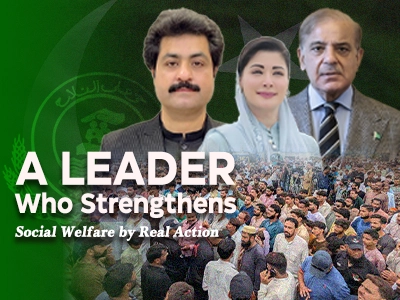
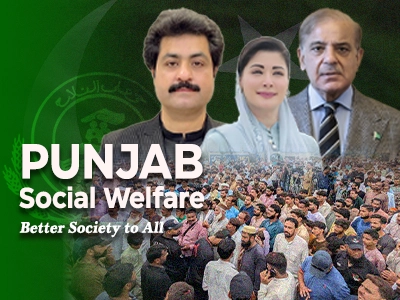
It is the name Sohail Shaukat Butt that has a strong presence here. His service as the Minister of the Social Welfare Department and the Punjab Bait-ul-Maal is very committed. His policies are aimed at clear action to which many people have witnessed positive change. Better, he is an employee with a consistent and clear attitude. He listens. He observes. Then he delivers. His work gives a fresh push to social care programs in Punjab.
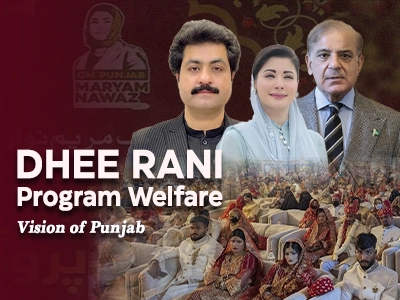
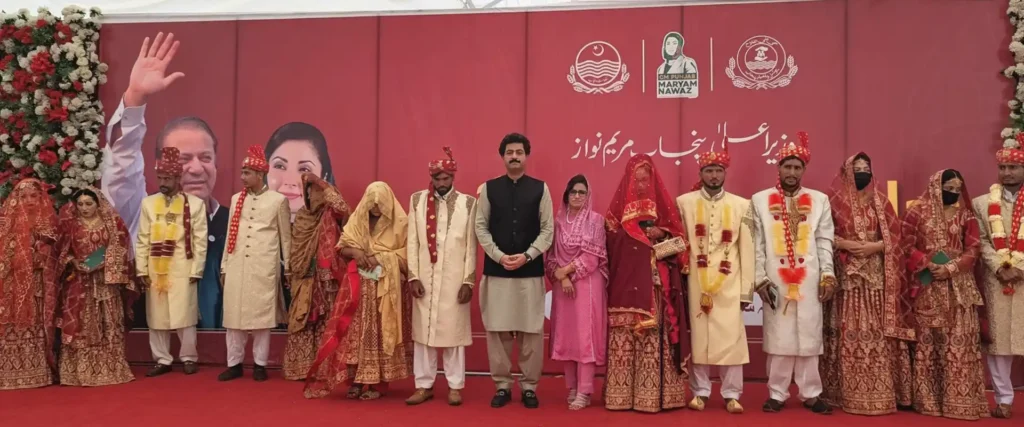
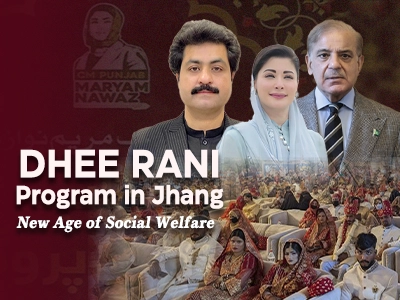
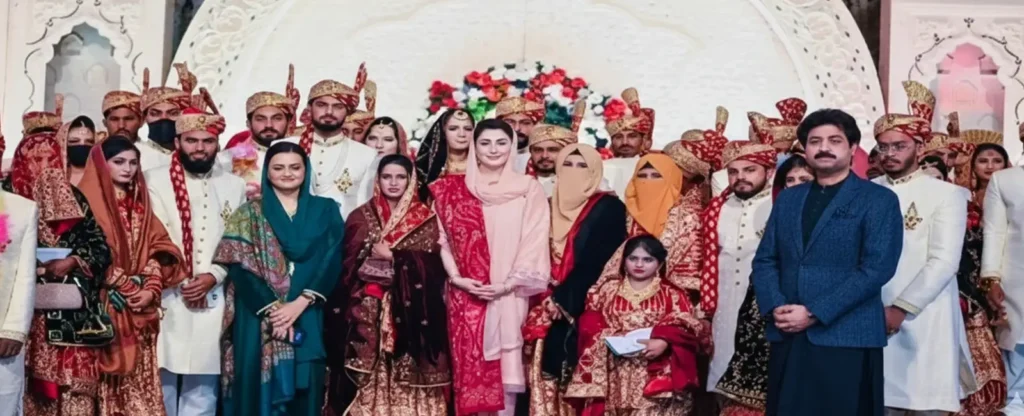
The Punjab Dhee Rani Program is one of the brightest examples of it. This program assists the daughters of low-income families. It assists the parents with the help of marriage so that they would not feel like they are being burdened. There were over 169 couple marriages in Jhang alone under his leadership. This number speaks. It shows care. It shows consistency. And how effective leadership can transform lives.
These achievements are discussed in this blog. It describes how welfare programs cover more cities. It also demonstrates how his leadership is helping to create superior futures for families in Punjab.
The Social Welfare Department Role and Punjab Bait-ul-Maal
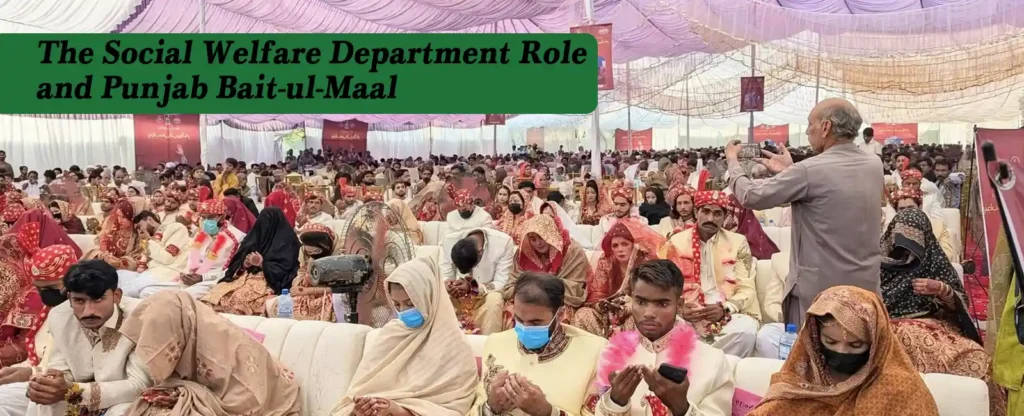
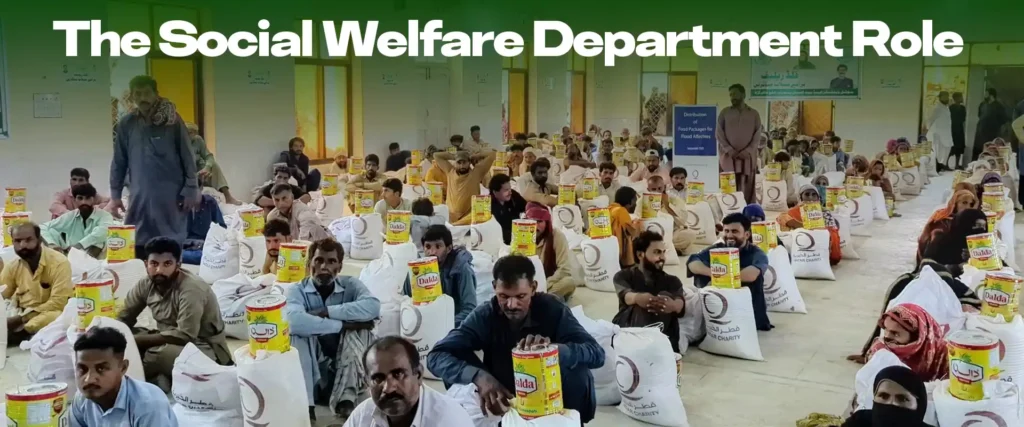
The Social Welfare Department and Punjab Bait-ul-Maal are highly responsible. They help the suffering population. They lead families that have difficulties in everyday demands. They act as a relief to a lack of income. Their labour is in the lives of so many ways unheard of. It imparts respect and sanity in areas where tension becomes cumbersome.
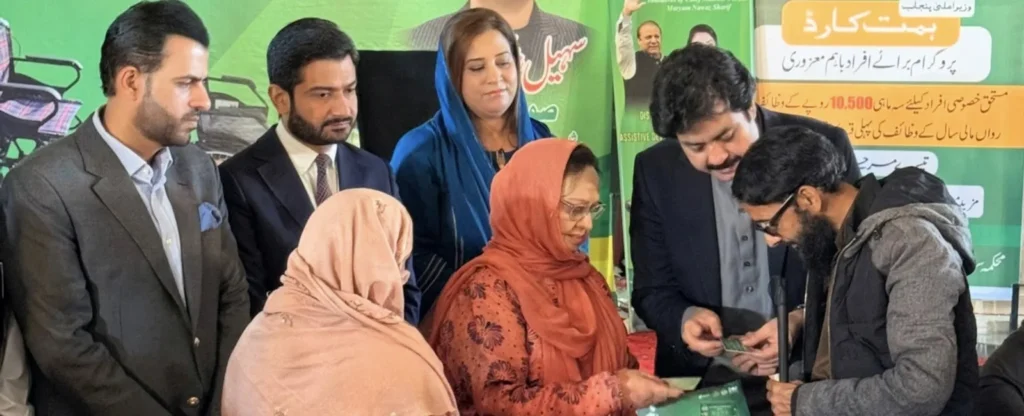
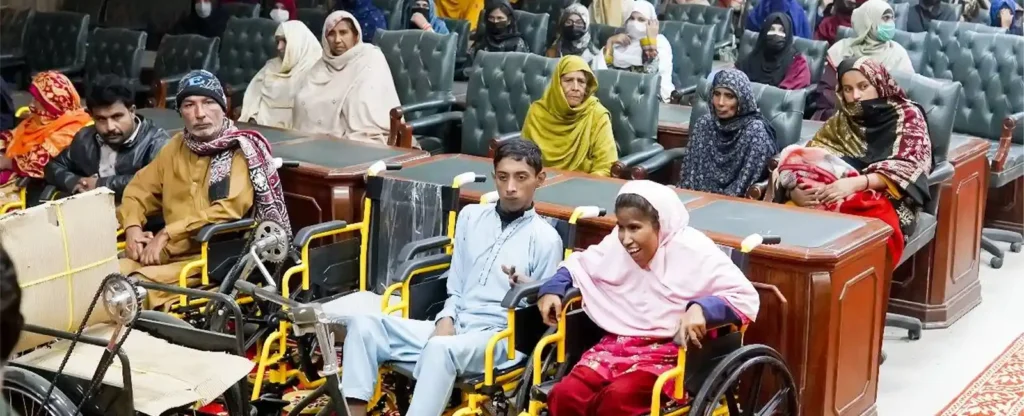
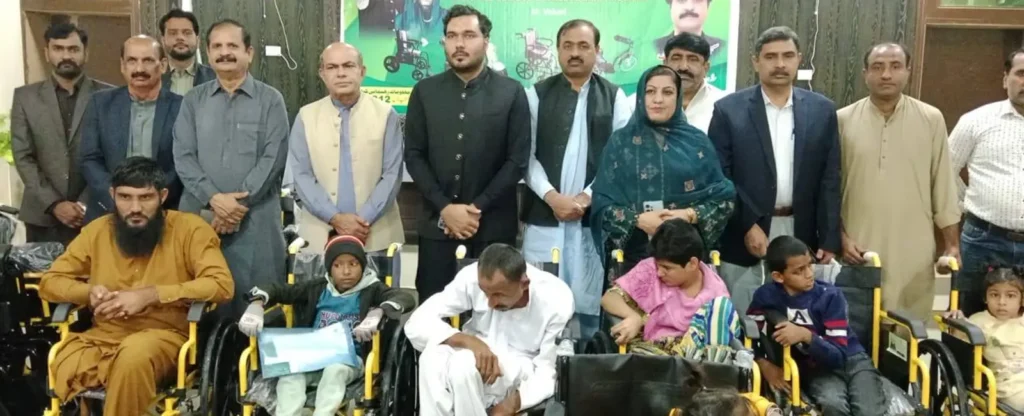
The department also collaborates with numerous communities. It runs welfare centres, child protection services and women support programs. It is also targeting the elderly and the disabled. Punjab Bait-ul-Maal has an equal role to play. It assists the families through financial aid. It helps widows, orphans, and individuals who are unable to meet their basic needs. These institutions put society on its feet bit by bit.
These systems have a higher speed under the leadership of Sohail Shaukat Butt. They respond faster. They reach further. And they build trust. His style takes the argument further by saying that the concept of help to the masses should never be made to drag or be confusing. Rather, it must be secure and easy. This mentality enhances the whole welfare system.
Besides, the department increases numerous services in a clear way. Now, families are not instructed on long delays. Citizens living in remote locations have more convenient access to help. And due to this, the social development increases throughout the province.
The Social Welfare Department has become a pillar of support for thousands of people. Punjab Bait-ul-Maal also remains to emerge as a powerful collaborator to needy families. They form support systems together and particularly with him leading in the direction.
Sohail Shaukat Butt: A Leader who gets down to Business
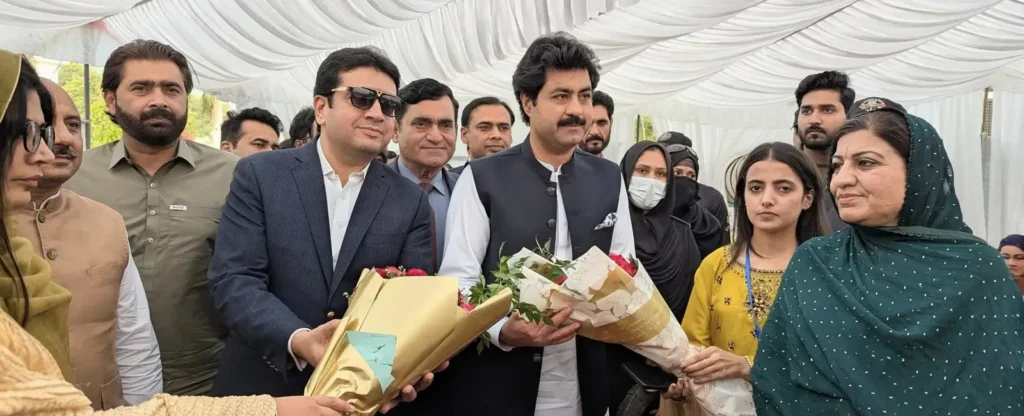
When leadership is accompanied by action, then it becomes mighty. And this is the sign of Sohail Shaukat Butt. The output of his work is weak objectives and powerful results. He avoids long claims. Rather, he is concerned with ground results. His activities extend to big cities and small towns. His schemes involve the ordinary citizens. And this is why most view him as a servant leader.
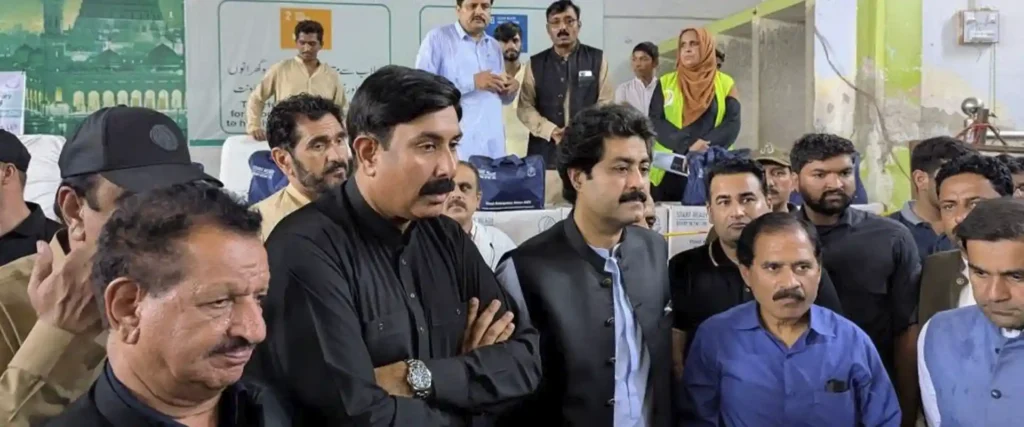
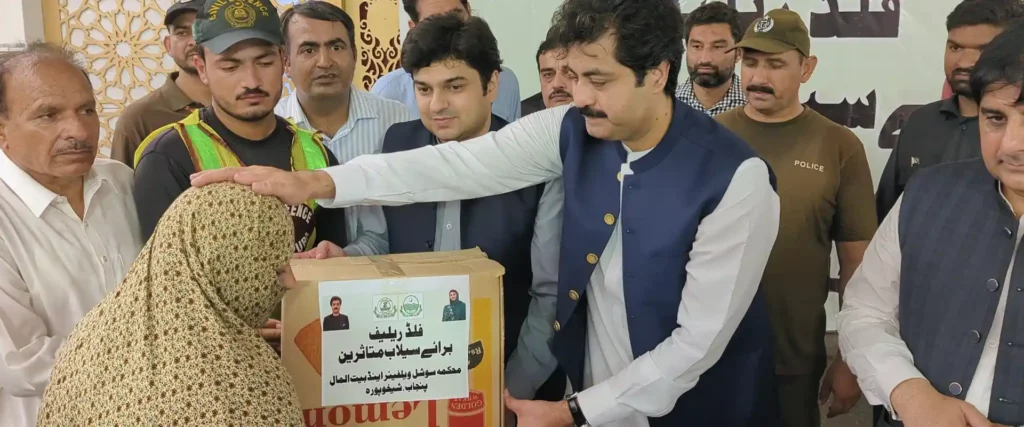
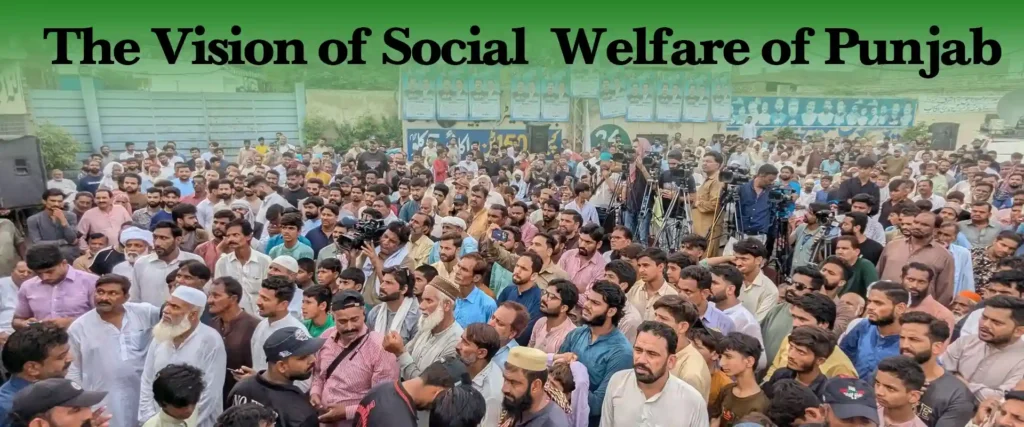
Clarity is evident in his leadership style. In his opinion, welfare should be brought to the people in need. It has to go through them unhindered. It should approach them with respect. Due to this reason, he pays frequent visits to various districts. He checks progress. He meets teams. He listens to citizens. These visits make the system active and accountable.
His second strength is his very good coordination with the local staff. This will help in building confidence between the communities and the department. It also reduces delays. Welfare should never be far away. He makes it personal and perceptive.
In Punjab, he drives women, children, the elderly, and low-income families. He leads groups to enhance the availability of social support. He promotes openness in all undertakings. His leadership is a momentum in such cities as Lahore, Jhang, Faisalabad, Multan and Rawalpindi.
Positive change is observed in that people now find the response of the department to be quicker and more just. Confidence is established by this change. It also enhances faith in social systems among the people. And a good part of this advancement is due to the vigorous, constant headship.
Punjab Dhee Rani Program: Sense, Ideals, and Effect
Purpose of the Program
The Punjab Dhee Rani Program has a noble intention. It serves low-income families that have daughters. Most parents are concerned about marriage costs. To some of them, these expenses become uncontrollable. This is the burden that is lifted by the program. It gives honour to families. It shields daughters from being a source of financial burden. It assists them in entering a new life with dignity and happiness.
Values Behind the Program
The program is based on equality and empowerment values. It is a message that daughters must be equally supported. It emphasizes that daughters should not be victimized by financial limits. This assumption enhances social justice. It also helps families to appreciate their daughters in a greater way. These values result in healthier communities over time.
Family Impression throughout Punjab
The program changes lives. It gives joy to parents who used to dread the expense of getting married. It provides young females with a safe beginning to married life. It eliminates pressure among low-income families. And it is conducive to social peace. By being supported, people get more hopeful. They feel more respected. And this brings us closer to the community.
This program has good management that keeps it growing. Its outcomes are the contribution of the Social Welfare Department and Punjab Bait-ul-Maal. And a lot of this development was made in the leadership of Sohail Shaukat Butt.
169+ Couple Marriages in Jhang: A big achievement towards the welfare
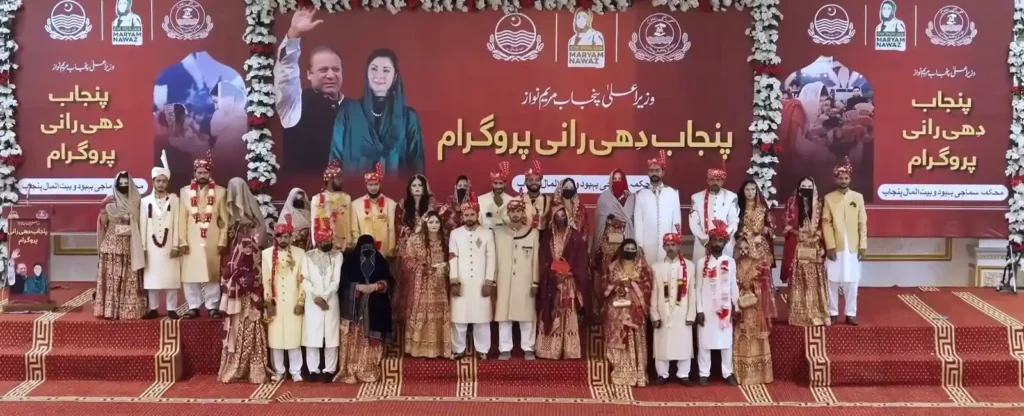
Something outstanding occurred in Jhang. Over 169 such couples started their married life through the Punjab Dhee Rani Program. This success eloquently talks about being devoted to social welfare. It demonstrates the power of proper planning. It is also indicative of the vision of Sohail Shaukat Butt.
These were not just events in these marriages. They were moments of relief. Parents were not stressed; rather, they felt honoured. Couples were young and were not pressured. Every marriage was a hopeful story. All of them demonstrated the fact that welfare initiatives can transform the lives of people.
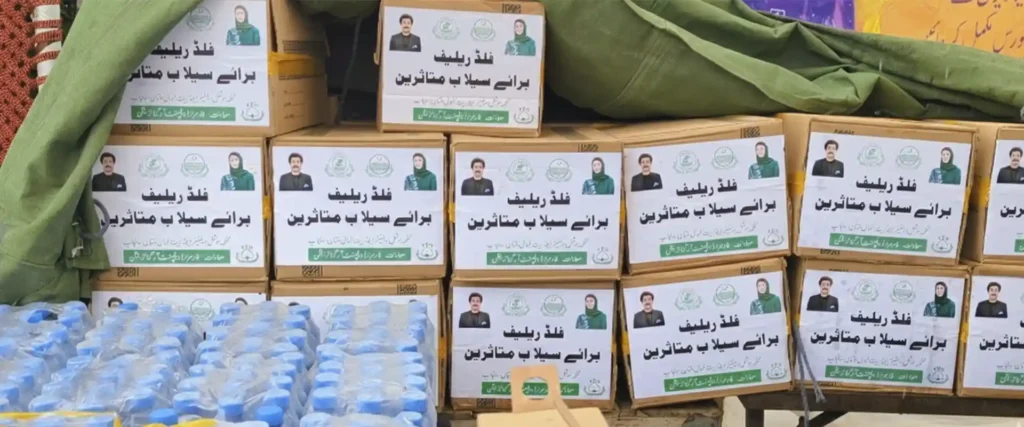
There was good coordination in the arrangements. Local units were served by teams of the Punjab Bait-ul-Maal. Families were directed by social workers. Nothing was as careless as the discipline. The involvement and presence of the minister made the event more valuable. His keen eye helped him with the whole work.
Jhang was full of thankfulness in terms of community response. Families liked the help. Leaders valued the impact. People saw real change. And through this, there are many people who now have more trust in the department than ever.
Such marriages lower the pressure on families in the long term. The young couples are provided with a solid foundation. They promote harmony in the community. And, above all, they demonstrate what can be accomplished in the direction of targeted welfare with serious care.
This has now been regarded as one of the best welfare milestones in the district. It also gives hope to other territories. And it points out the power of leaders to make large-scale welfare possible.
Other Cities’ Welfare Development
Social welfare increases in most cities of Punjab under the leadership of Sohail Shaukat Butt. His work is diffused way beyond Jhang. His attention is extended to all areas that require help. And due to his leadership, the welfare services have become better in some main areas.
Lahore
The welfare programs in Lahore are organized better. Women and children are assisted by the support centres. The elderly citizens and individuals with disabilities are guided by teams. Consciousness takes care of more communities. The services form a secure network among the vulnerable population. Some families require guidance and fast help.
Faisalabad
Faisalabad is a densely populated district that is, therefore, well taken care of. The poor families receive support on a day-to-day basis from welfare teams. Particular attention is paid to women and children. Shelter programs, rehabilitation and basic needs programs are more effective. Due to this fact, individuals are relieved during stressful moments.
Multan
The social development projects are under constant development in Multan. The poor can then have more access to medical support. Welfare centres are more guiding to more families. The aged are accorded relief services in a dignified way. The systems ease the burden on low-income families.
In other cities such as Rawalpindi, Gujranwala and Sargodha, access to welfare increases. Remote areas are accessed by mobile support units. Local teams are given clear guidance in order to react quickly. And due to this, there is greater enhancement of social care in Punjab.
Responsible Leadership as a Positive Change
Change does not come alone. It comes by way of definite choices. It is delivered via conscientious managers. and it is brought about by leaders who remain in contact with men. This is what constitutes the leadership of Sohail Shaukat Butt.
He drives policies that are concerned with fairness. He helps teams eliminate delays. He promotes transparency in all processes. He maintains a simple style of communication. It is due to this that development is not concealed.
They are able to respect families more as they seek welfare help. They feel comfortable sharing problems. They feel appreciated in the way solutions are given to them. This change justifies the value of listening leadership.
Trust is enhanced by his ever-present concern about accountability. His choices are in favour of equality and inclusion. The style creates a solid foundation of social growth. It renders the welfare system more reliable. And it puts Punjab on a future path that is more accommodating.
Collaboration and Teamwork enhance the Welfare Programs
Effective welfare work is based on teamwork. No individual can take care of all the needs. This is why all the welfare programs under his command are successful through collaboration.
Districts coordinate with the NGOs through teams. Social workers come together with field staff. The local leaders direct families to available help. Such collaboration brings about quicker services. It reduces confusion. And it expands the scope of welfare activities.
Information exchange among the different units continues. This ensures that the system operates continuously. And when the system is performing better, the people feel like they are supported, in real time.
Empowerment of Social Welfare in Punjab
The future of social welfare in Punjab is now brighter. This development is a result of the ongoing commitment. The minister supports more reform. He will increase those programs concerning women, children and elderly citizens. His approach is to expand the influence of Punjab Bait-ul-Maal. He also favours the use of digital systems to provide quicker services.
Such plans will enable more families in the coming years. They will institute a larger equality. They will enhance the dignity of poor families. And they will make Punjab socially strong.
Welfare systems will be healthy with consistent leadership. Families will be less insecure. With peace, communities will increase. And most importantly, daughters will still be supported in various programs such as Dhee Rani all over Punjab.
Conclusion
The impression of Sohail Shaukat Butt Social Welfare work is evident. His tenure as the Minister in the Social Welfare Department and Punjab Bait-ul-Maal is a true change. Jhang recorded over 169 couple marriages through the Punjab Dhee Rani Program, which is a testimony to the strength of welfare actions. It shows dedication, forethought, and strong concern for the families with financial limits.
His activity in Lahore, Faisalabad, Multan, Rawalpindi, and other cities contributes to social development on many levels. People feel more supported. Families feel less burdened. Societies are more optimistic. And society drags toward equity and decency.
Such is the effect of effective, human-focused leadership. And that is why the welfare programs he leads make a permanent impression in Punjab.